


“You Can’t Do Both” Billie Eilish Sparks Backlash with Bold Animal Welfare Statement
- May 23
- 6 min read
Updated: May 28
Billie Eilish has once again become the center of a heated online debate after comments from an interview reignited conversations surrounding veganism, celebrity activism, and the increasingly polarizing nature of public discourse. During an interview with Elle, Billie made a blunt statement that quickly spread across social media: “You can eat meat. You can love animals. But you can’t do both.” The quote immediately generated backlash from critics who viewed the comment as judgmental, reductive, or dismissive toward people whose lifestyles and dietary choices differ from her own. Yet rather than softening her position after the criticism intensified, Billie responded with another statement that only deepened the conversation. “I am so TIRED of standing up for & having empathy for living beings being controversial,” she wrote, making it clear that she viewed the backlash itself as evidence of a broader cultural discomfort surrounding discussions about animal welfare.
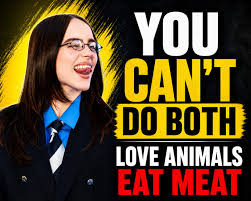
The reaction to Billie’s comments spread rapidly because the issue itself touches multiple emotionally sensitive subjects at once: food, morality, identity, environmental responsibility, and personal freedom. Discussions surrounding meat consumption rarely remain simple conversations about diet. Instead, they often evolve into larger debates about ethics, cultural norms, economics, class, sustainability, and individual responsibility. When those conversations are amplified through a celebrity platform with millions of followers attached to it, the intensity naturally multiplies.
For Billie Eilish, however, advocacy surrounding animal rights is far from a new development. Long before this latest controversy emerged, she had already established herself as one of the entertainment industry’s most outspoken celebrity voices on veganism and industrial farming practices. Over the years, she has repeatedly used interviews, social media, concerts, and public appearances to discuss the treatment of animals, climate concerns linked to factory farming, and the ethical reasons behind her own vegan lifestyle.
Supporters argue that her consistency matters. In an industry where activism is often criticized as performative or carefully managed for branding purposes, Billie’s willingness to repeatedly return to controversial subjects even at the risk of backlash is viewed by many fans as evidence of genuine conviction rather than image management. To them, her frustration appears rooted not in attention-seeking but in exhaustion with what she perceives as society’s unwillingness to confront uncomfortable realities surrounding animal agriculture.
Critics, however, interpreted the original statement very differently. Many argued that telling people they cannot love animals while eating meat oversimplifies a deeply complex issue. Across social media, users pointed out that millions of people who consume meat also care deeply about pets, wildlife conservation, animal welfare laws, or ethical farming practices. Others argued that dietary choices are influenced by cultural traditions, financial realities, geography, health concerns, and accessibility, making moral absolutism difficult to apply universally.

Some also felt the phrasing itself contributed to the backlash. Billie’s statement was concise, emotionally direct, and intentionally uncompromising qualities that often make comments spread rapidly online but also leave little room for nuance. In internet culture, emotionally absolute statements tend to generate stronger engagement than carefully balanced arguments, particularly when delivered by globally recognized celebrities. The quote therefore moved quickly beyond its original interview context and transformed into a wider cultural flashpoint.
What makes Billie’s public persona especially interesting is that she has never appeared particularly interested in maintaining universal likability. Since emerging as one of the defining artists of her generation, she has often embraced emotional bluntness over polished neutrality. Whether discussing mental health, fame, body image, politics, environmental concerns, or personal identity, her communication style frequently prioritizes emotional honesty rather than diplomatic caution. That quality has become central both to her popularity and to the controversies that periodically surround her.
There is also a generational dimension to the debate that cannot be ignored. Younger audiences increasingly expect celebrities to express strong personal values and engage openly with political or ethical issues. Silence or neutrality is often interpreted as avoidance or lack of conviction. At the same time, audiences also react intensely when those opinions challenge everyday behaviors or cultural habits. Billie’s comments touched precisely that nerve because they reframed a common lifestyle choice as a moral contradiction.
Animal rights advocacy occupies a uniquely emotional space within modern discourse because it forces confrontation between empathy and consumption. Many people care deeply about animals emotionally while simultaneously participating in systems that involve animal suffering indirectly through food consumption. Billie’s statement effectively challenged audiences to reconcile those two realities, which partly explains why reactions became so polarized.

For her supporters, that discomfort was exactly the point. Many fans argued that activism loses effectiveness when it becomes overly softened to avoid offending anyone. They viewed Billie’s frustration as understandable given the scale of industrial farming and the documented cruelty associated with certain meat production systems. From that perspective, emotional directness becomes necessary because sanitized conversations often fail to inspire meaningful reflection or behavioral change.
Others, however, questioned whether celebrity activism built around moral absolutism actually persuades audiences effectively. Some critics argued that people become defensive when they feel judged, particularly regarding deeply personal choices connected to food and culture. In their view, statements framed as accusations may harden opposition rather than encourage thoughtful conversation about sustainability or animal welfare.
The controversy also reflects how celebrity activism now unfolds almost entirely within algorithm-driven digital ecosystems. A quote extracted from a longer interview becomes viral within minutes, stripped from nuance and circulated through reaction-based platforms designed to amplify emotional responses. Public figures today rarely control how their statements are interpreted once they enter that environment. Supporters, critics, memes, commentary accounts, and reaction videos all begin reshaping the narrative simultaneously.
Billie’s response to the backlash “I am so TIRED of standing up for & having empathy for living beings being controversial” revealed another important layer to the discussion: emotional exhaustion. Public figures who repeatedly advocate for emotionally charged issues often experience frustration when debates shift away from the subject itself and toward criticism of tone or delivery. Billie appeared less interested in debating semantics than in expressing disbelief that empathy toward animals remains culturally divisive.

That frustration resonates strongly with many younger activists whose communication styles are shaped less by traditional diplomacy and more by emotional urgency. Contemporary internet activism frequently prioritizes moral clarity over moderation, particularly among younger generations raised in environments dominated by climate anxiety, social justice movements, and constant digital exposure to global suffering. Billie’s language reflects that broader cultural shift.
At the same time, the backlash demonstrates the limitations of celebrity influence within highly polarized online environments. Celebrities possess enormous visibility, but visibility does not automatically translate into persuasion. In fact, the scale of Billie’s platform may intensify resistance among audiences who feel uncomfortable being morally instructed by wealthy public figures. Celebrity activism often exists in tension between visibility and relatability.
There is also a gendered aspect to the reaction that some observers pointed out. Female celebrities who express strong ethical or political opinions frequently receive criticism not only for the content of their statements but for perceived tone, emotional intensity, or attitude. Women in entertainment are often expected to remain approachable, agreeable, and emotionally accommodating even while advocating for causes. Billie’s refusal to soften her frustration therefore challenged expectations surrounding celebrity femininity as much as dietary politics.
Her advocacy around veganism also connects to a larger transformation occurring within entertainment culture itself. Environmental sustainability and ethical consumption have become increasingly central themes within music tours, fashion partnerships, film productions, and celebrity branding. Yet tensions remain between public environmental messaging and industries fundamentally built around global consumption. Billie’s comments therefore tap into broader anxieties surrounding responsibility and hypocrisy in modern celebrity culture.

Interestingly, many of her fans seemed less interested in whether they personally agreed with her dietary views than in the fact that she appeared genuinely sincere. Authenticity has become one of the most valuable currencies in contemporary pop culture. Audiences often tolerate controversial opinions more readily when they believe those opinions reflect actual conviction rather than calculated branding strategy. Billie’s willingness to repeatedly risk backlash over the same issue reinforced the perception that her activism is deeply personal.
The broader cultural response also highlights how discussions about empathy increasingly define online identity politics. Questions surrounding who deserves empathy, how far empathy should extend, and what moral obligations empathy creates have become central to many contemporary debates. Billie framed animal rights explicitly through empathy rather than lifestyle branding, which shifted the conversation into emotional and ethical territory rather than purely environmental discourse.
As the backlash and support continued spreading online, the controversy ultimately became larger than one celebrity interview quote. It evolved into a reflection of modern culture’s discomfort with moral confrontation, especially when tied to ordinary behaviors people rarely examine closely. Food remains one of the most intimate and culturally embedded aspects of daily life, which is precisely why discussions surrounding it generate such emotionally charged reactions.
For Billie Eilish, the situation reinforced a public identity she has cultivated for years: an artist unwilling to fully separate personal conviction from celebrity visibility. Whether audiences agree with her perspective or reject it entirely, she continues to use her platform in ways that prioritize emotional honesty over universal approval. That approach guarantees controversy at times, but it also explains why her voice continues to carry such cultural influence among younger audiences navigating increasingly politicized conversations about ethics, sustainability, and identity.

Ultimately, the debate surrounding Billie’s comments says as much about modern internet culture as it does about veganism itself. Public discourse today rewards emotionally charged simplicity while simultaneously demanding nuance. Celebrities are encouraged to speak authentically but criticized when authenticity feels confrontational. Activism is celebrated until it becomes personally uncomfortable. Within that contradiction lies the reason why a single sentence about meat consumption could rapidly evolve into a global conversation about morality, empathy, celebrity influence, and the emotional tensions shaping contemporary culture.



Comments