


Why Kevin Keegan’s Decision to Scrap Newcastle United’s Reserve Team Remains One of His Most Controversial Calls
- Jul 23
- 2 min read
Kevin Keegan is remembered as the charismatic manager who transformed Newcastle United into one of English football’s most exciting teams during the 1990s. His attacking philosophy, emotional leadership and unwavering self-belief made him a club legend. Yet behind that inspirational image was a ruthless streak that surfaced in several major decisions, including the sale of Andy Cole and, perhaps most controversially, the complete abolition of Newcastle’s reserve team in 1996.
At the time, Keegan believed the club’s immediate priority was building a squad capable of challenging for the Premier League title. The decision to eliminate the reserve side was closely linked to concerns over the condition of the St James’ Park pitch. Following a request for clubs to stage more reserve matches at their main stadium, Keegan opposed the idea, fearing additional fixtures would damage the playing surface. While Liverpool and Manchester United eventually accepted the proposal, Newcastle chose a different route by scrapping the reserve team altogether.

For many young professionals at the club, the consequences were severe. Members of Newcastle’s highly regarded Class of 1994 later recalled that, despite training alongside stars such as Peter Beardsley and Andy Cole, their pathway to the first team effectively disappeared overnight. Without reserve football, opportunities to develop and impress became extremely limited, and many promising youngsters were released before ever making a senior appearance. Only striker Paul Brayson briefly featured for the first team, making a single appearance in the League Cup.
Former academy players have since described the decision as one of the most damaging moments of their careers. Several admitted they lost motivation after realising there was no clear progression within the club. While they continued to admire Keegan for everything he achieved at Newcastle, they also acknowledged that his focus was firmly on immediate success rather than long-term player development. Some even recalled brutally honest dressing-room speeches in which Keegan told young players he could simply "sign anyone" instead of promoting them from within.

Despite these hard-edged moments, those who worked under Keegan also remembered his unique motivational style. Rather than relying heavily on tactical instruction, he inspired players through confidence and emotion. Former youth players recalled that training sessions were highly competitive, with Keegan regularly joining in himself. One former apprentice even remembered crunching into the manager during a training game before later receiving praise from Keegan, who admitted he had deliberately been trying to provoke a reaction.
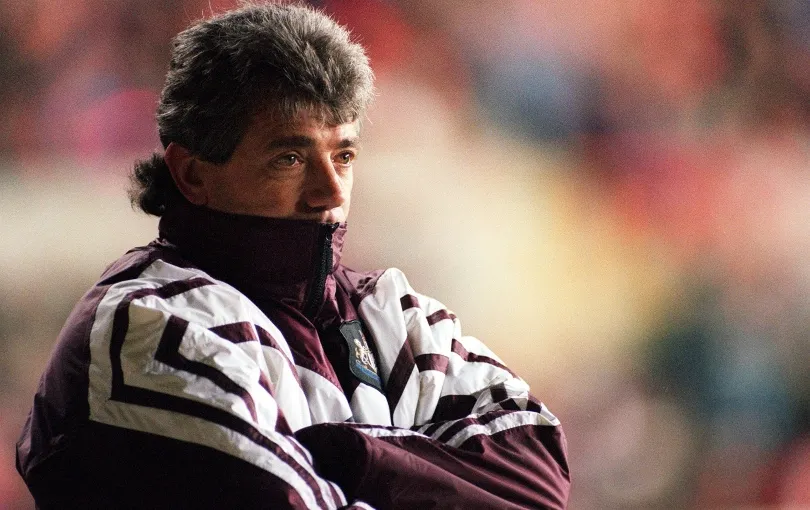
Looking back nearly three decades later, the decision to scrap Newcastle's reserve team remains one of the most debated episodes of Keegan’s managerial career. In today's football, where academy development is considered a cornerstone of elite clubs, such a move would likely provoke widespread criticism. Yet it also reflected Keegan’s uncompromising personality—a manager willing to make unpopular decisions if he believed they served the first team's ambitions. His legacy at Newcastle therefore remains a blend of inspiration, boldness and occasional ruthlessness, qualities that defined one of English football’s most unforgettable managers.



Comments