


Sharon Stone draws attention with a shocking opinion about ‘Euphoria’ and young people.
- Jun 9
- 5 min read
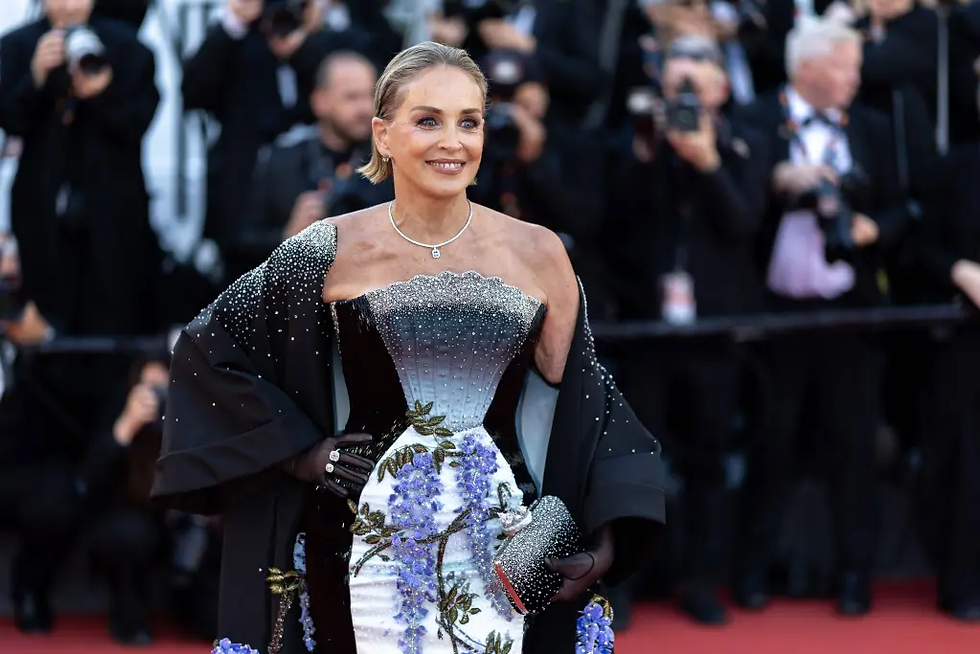
Sharon Stone has sparked renewed debate around HBO’s Euphoria after calling the series “the greatest show on television” and suggesting it should be shown in every high school, with parents also required to watch it. The Oscar-nominated actress, who joined the cast in the show’s most recent and final season, expressed strong admiration for the series’ unflinching portrayal of adolescence, addiction, and trauma during a public conversation with Keke Palmer for Actors on Actors.
Stone’s comments quickly drew attention because of the ongoing controversy surrounding Euphoria, a show widely known for its explicit depictions of sex, drug use, and violence among teenagers and young adults. While the series has been both critically acclaimed and heavily criticized since its debut in 2019, Stone positioned it as a necessary cultural mirror rather than a provocative exaggeration.

“I think it’s the greatest show on television,” Stone said during the discussion, highlighting her belief in the show’s artistic and social value despite its graphic content.
The actress went further in her praise, stating, “‘Euphoria’ is so relevant,” adding, “I believe it should be shown in every high school, and I think all the parents should have to see it. As a mom, I love it.”
Her remarks reflect a broader interpretation of the series as an educational tool rather than purely entertainment, emphasizing the importance of dialogue between parents and teenagers about difficult realities often depicted on screen.
Stone also reflected on how her personal life influenced her connection to the show’s themes. She explained that she related to its depiction of addiction and substance abuse due to her own family history, noting that these issues are not abstract concepts but lived experiences that continue to affect many households.
“We’ve met these kids,” Stone said. “We’ve seen them turn into young adults. We’ve seen them turn into full-on drug dealers. And I’ve gone through it in my family.”
The actress specifically referenced her brother Michael Stone’s struggles with drug-related issues, which led to his incarceration at Attica Correctional Facility in New York, one of the most high-security prisons in the United States. This personal history, she suggested, shaped her emotional response to the series and its portrayal of addiction’s long-term consequences.
Stone also recalled her emotional reaction to the show’s first episode, saying she cried after watching it and found it to be a deeply honest reflection of realities many families prefer not to confront.

While Stone praised the series for its authenticity, she also acknowledged the discomfort it can cause. The HBO drama, created by Sam Levinson, follows a group of young people navigating trauma, identity, relationships, and substance abuse, often through intense and visually explicit storytelling.
The series has consistently been rated TV-MA, and its creators have repeatedly stated that it is intended for mature audiences. Despite this, its popularity among younger viewers has remained a point of public concern since its debut, especially given its focus on high school-aged characters.
Stone emphasized that the show’s value lies in its ability to spark conversation, aligning with co-star Keke Palmer’s perspective that discomfort is part of the point. Palmer noted during the discussion that viewers often focus too narrowly on explicit content rather than the broader themes being explored.
Stone also raised questions about parental awareness, suggesting that many adults underestimate the realities their children may face. “‘My kid wouldn’t do that.’ It’s like, really? Do you know? And does your kid tell you who is like that that’s next to them?” she asked. “Because it’s who’s next to you too that matters.”
Her comments underline a central tension surrounding Euphoria: whether its raw depiction of youth culture serves as a warning or risks glamorizing the very behaviors it portrays.
Despite Stone’s endorsement of the series as an educational tool, Euphoria’s creator Sam Levinson and its lead star Zendaya have repeatedly clarified that the show is not intended for teenage audiences. Levinson has stated that while he hopes the series can facilitate conversations between parents and children, it is ultimately designed for viewers aged 18 and older.
Zendaya has similarly emphasized the importance of context when viewing the show, noting that its subject matter is often emotionally heavy and potentially triggering. She has encouraged viewers to approach the series with caution and self-awareness, particularly younger audiences who may see reflections of their own lives in the characters.
As the debate continues, Stone’s comments have added a new dimension to the ongoing conversation about media responsibility and representation. Her perspective as both an actress and a mother positions her argument within a broader cultural discussion about how difficult subjects should be portrayed on screen.
Beyond her remarks on Euphoria, Sharon Stone’s involvement in the series marks another chapter in a career defined by bold and often controversial roles. Rising to global fame in the 1990s, Stone became one of Hollywood’s most recognizable figures following her performance in Basic Instinct, a film that cemented her status as a sex symbol and a dramatic powerhouse.
Her career throughout the decade included a series of high-profile films such as Casino, which earned her an Academy Award nomination for Best Actress. Her portrayal of Ginger McKenna remains one of her most critically acclaimed performances, showcasing her ability to combine vulnerability with intensity.
Stone’s public image, however, has never been without complexity. She has often spoken about the challenges of navigating Hollywood’s expectations of women, particularly in relation to sexuality, aging, and power. Over time, she has become an outspoken advocate for women’s rights and equality in the entertainment industry.

In 2001, Stone suffered a life-threatening stroke and brain hemorrhage that temporarily impacted her ability to walk, speak, and perform. Her recovery was long and difficult, and she has since spoken openly about how the experience changed her outlook on life, health, and career priorities.
Following her recovery, Stone gradually returned to acting, though with a more selective approach to roles. She also expanded her involvement in humanitarian work, supporting causes related to HIV/AIDS research, human rights, and global health initiatives.
Her personal life has also attracted public attention over the years, including her marriages and subsequent divorces. Stone has adopted three children and has often spoken about motherhood as one of the most meaningful aspects of her life, particularly in relation to her advocacy for social issues.
In recent years, Stone has embraced roles that reflect her evolving artistic identity, often choosing projects that challenge conventional narratives about aging and femininity in Hollywood. Her appearance in Euphoria aligns with this trajectory, placing her within a series that itself explores generational trauma and emotional complexity.
The HBO series, created by Sam Levinson, has become one of the most discussed shows of the past decade, largely due to its unflinching portrayal of teenage life in a hyper-stylized and emotionally charged environment. Zendaya, who stars as Rue Bennett, has received critical acclaim and multiple Emmy Awards for her performance, solidifying her status as one of the defining actors of her generation.
The show’s cast also includes Hunter Schafer, Jacob Elordi, and Sydney Sweeney, each contributing to a narrative that blends personal struggle with broader social commentary. Despite its popularity, Euphoria has remained controversial, with critics divided over whether its depiction of drug use and sexuality is responsible or excessive.

Stone’s endorsement of the series as essential viewing for both students and parents places her firmly within the camp that views the show as a catalyst for necessary discussion rather than a source of concern. Her comments suggest that avoiding such content does not eliminate its relevance, but rather limits opportunities for engagement.
As Euphoria continues to influence conversations around youth culture and media representation, Stone’s perspective adds weight to the argument that difficult stories, when handled with intention, can serve as powerful tools for understanding real-world issues.
In aligning herself with the show’s mission, Stone reinforces her longstanding reputation as an actress unafraid of controversy and a public figure willing to engage with challenging cultural debates. Her remarks ensure that Euphoria remains not only a television phenomenon but also a focal point in broader discussions about education, parenting, and the role of media in shaping social awareness.


Comments