


Oli Sykes Hit in the Head by Phone on Stage: Mild Concussion, Panicked Crowd, and a Chaotic Moment That Shook the Bring Me The Horizon Show.
- May 15
- 5 min read
During a recent performance in St. Louis, Oli Sykes experienced a frightening onstage incident after being struck in the head by a phone thrown from the crowd, an episode that briefly disrupted Bring Me The Horizon’s show and left the frontman with a mild concussion. The moment occurred while the band was performing their 2015 track “Happy Song,” turning what had been a high-energy concert into a sudden scene of concern both onstage and among fans.
Footage recorded by attendees showed Sykes performing before suddenly being hit on the left side of his head by an object later identified as a mobile phone. The impact caused him to immediately crouch down, visibly shaken as he attempted to assess the injury. In one clip, still in the moment of shock, he could be heard reacting angrily, asking, “Who the f--- just threw a phone at my f---in’ head?” while checking for signs of bleeding.
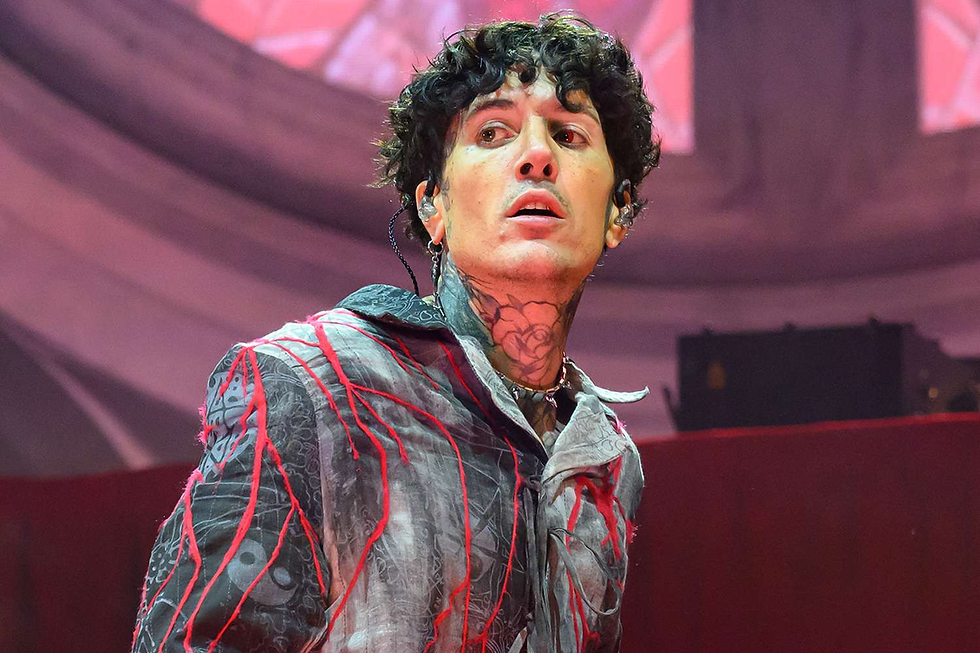
The show continued after a brief pause, but the atmosphere reportedly shifted as the severity of the incident became apparent. Sykes, known for his intense physical performances and constant interaction with the audience, appeared to struggle for the remainder of the set. The incident not only disrupted the flow of the concert but also raised broader concerns about safety at live music events, where artists increasingly find themselves vulnerable to objects thrown from the crowd.
The following day, Sykes addressed the incident directly through a message shared on his Instagram Stories, offering fans reassurance about his condition while also acknowledging the impact it had on his performance. “Alright everyone — just wanted to let you know I’m all good,” he wrote. “The phone to the head definitely smarted and I ended up with a mild concussion, but the swelling’s gone down a decent amount already.”
He went on to explain that while he was physically recovering, the aftermath of the blow affected his ability to perform comfortably for the rest of the night. “Last night I was struggling a bit on stage afterwards because singing was putting a lot of pressure on the wound and making things feel a bit disorienting while performing, so I’m sorry on my part for what may of seemed like a half hearted performance,” Sykes added. He concluded his message by reassuring fans and expressing gratitude for their concern, stating, “Appreciate everyone checking in and worrying about me though. Everything should be fine for tonight gig.”
The incident involving Sykes adds to a growing list of similar occurrences in the music industry, where artists have been injured by objects thrown from audiences during live shows. While audience interaction has long been a defining feature of rock and pop performances, the boundary between engagement and dangerous behavior has become increasingly blurred in recent years.
In Sykes’ case, the severity of the impact — resulting in a diagnosed mild concussion — highlights the physical risks performers can face even in controlled environments. Concert venues are typically designed with security measures to prevent such incidents, yet the persistence of fan-initiated projectiles continues to challenge those safeguards. For artists who rely on high-energy stage presence and close interaction with crowds, the unpredictability of audience behavior introduces a constant element of risk.

Beyond the immediate incident, Sykes’ experience also reflects the physical demands placed on performers within the modern rock scene. As the frontman of Bring Me The Horizon, a band known for its genre-blending evolution from metalcore roots to more experimental rock and electronic influences, Sykes has built a reputation for intense live performances that often involve significant physical exertion and emotional expression.
Born in Sheffield, England, Sykes rose to prominence in the mid-2000s as the lead vocalist of Bring Me The Horizon, a group that quickly gained attention within the heavy music scene for its aggressive sound and raw emotional intensity. Early albums such as “Count Your Blessings” and “Suicide Season” established the band as key figures in the metalcore movement, while later releases marked a shift toward a more accessible, genre-defying style.
As the band evolved, so did Sykes’ public profile. He became not only a frontman but also a central creative force behind Bring Me The Horizon’s artistic direction. Albums such as “Sempiternal,” “That’s the Spirit,” and “amo” showcased a transition from extreme metal influences to a broader alternative rock and electronic sound, expanding the band’s global audience significantly.
Alongside his musical career, Sykes has also been open about personal struggles, including issues related to substance use and mental health in earlier years of his life. These experiences have often informed the emotional tone of Bring Me The Horizon’s music, which frequently explores themes of isolation, recovery, and internal conflict. Over time, Sykes has become a figure associated with both artistic reinvention and personal resilience.
The St. Louis incident occurred during a period in which Bring Me The Horizon continues to tour extensively, maintaining their reputation as one of the most dynamic live acts in modern rock. Their performances are known for blending heavy instrumentation with theatrical staging and audience engagement, making the sudden interruption caused by the thrown phone particularly jarring for both the band and concertgoers.
In recent years, incidents involving objects thrown at performers have become a recurring issue across multiple genres. Artists such as Bebe Rexha, Riley Green, and Billie Eilish have all reported similar experiences, ranging from minor injuries to situations requiring medical attention. These events have sparked ongoing discussions within the entertainment industry about how to better protect performers while maintaining the intimate connection between artists and audiences.

In Sykes’ case, the injury was classified as mild, and he indicated that recovery was progressing quickly. However, his account of experiencing disorientation and physical discomfort while continuing to perform underscores how even non-life-threatening incidents can significantly affect live performances. The pressure of maintaining professionalism on stage despite injury is a reality many touring musicians face, particularly those in physically demanding genres like rock and metal.
The response from fans following the incident was largely one of concern and support, with many expressing frustration that such behavior continues to occur at concerts. The sense of community between artists and audiences in rock music has historically been strong, making incidents of aggression or reckless behavior particularly unsettling for both sides.
For Bring Me The Horizon, the moment serves as another reminder of the unpredictable nature of live touring, where the boundary between performer and audience can sometimes lead to unintended consequences. Despite the disruption, the band has continued their scheduled performances, with Sykes reassuring fans that he intended to return to the stage shortly after the incident.
As live music continues to regain global momentum following years of disruption to touring schedules, the safety of performers remains an increasingly relevant topic. Venues and event organizers are under growing pressure to implement stricter measures to prevent dangerous objects from entering performance spaces, while balancing the immersive experience that modern concerts aim to deliver.

Oli Sykes’ experience in St. Louis ultimately highlights both the physical vulnerability of performers and the resilience required to continue performing under unexpected circumstances. While the injury itself was not severe, the incident has once again drawn attention to the risks inherent in live entertainment and the responsibilities shared between artists, audiences, and venue security.



Comments