


Mystery behind the fiery supercar crash: Call of Duty creator Vince Zampella in a catastrophic accident – the shocking truth behind his final moments!
- Apr 22
- 5 min read
The Los Angeles County Medical Examiner has released its report into the accidental death of Vince Zampella, the influential video game executive and creative force behind some of the industry’s most successful franchises. The 55-year-old died on December 21 in Altadena, California, following a devastating car crash that ended in flames along the Angeles Crest Highway. The findings confirmed that Zampella succumbed to a combination of smoke inhalation, severe thermal injuries, and blunt force trauma sustained during the impact.
Footage circulating in the aftermath captured the final moments before the crash, showing Zampella behind the wheel of a 2026 red Ferrari 296 GTS as it sped through a tunnel. Moments later, the vehicle reportedly lost control near mile marker 62, veering off course before colliding violently with a concrete barrier. The impact triggered a fire that quickly engulfed the car, leaving Zampella trapped inside.

Authorities have yet to determine a definitive cause of the crash. However, investigators have suggested that speed may have been a contributing factor, based on both the footage and the extent of the damage. The California Highway Patrol continues to review evidence, though no official ruling beyond accidental death has been issued.
A passenger identified only as Kim was ejected from the vehicle during the collision. She was transported to a nearby hospital in the San Gabriel Mountains region but later succumbed to her injuries. The dual tragedy has cast a long shadow over both the gaming community and those close to Zampella, many of whom have struggled to process the sudden loss.
Zampella is survived by his three children—Quentin, Kyle, and Courtney—whom he shared with his former wife, Brigitte Zampella. The couple’s marriage lasted 18 years before ending in 2015. In the days following his death, tributes from family members reflected both personal grief and a deep sense of admiration. His daughter Courtney described him as her “best friend forever” in a message accompanying a memorial photograph.
In a statement released shortly after the medical report, a representative for Electronic Arts expressed condolences, emphasizing Zampella’s lasting influence. “This is an unimaginable loss, and our hearts are with Vince’s family, his loved ones, and all those touched by his work,” the statement read. It continued by highlighting his role as “a friend, colleague, leader and visionary creator” whose contributions helped shape modern interactive entertainment.

Zampella’s legacy within the gaming industry is difficult to overstate. As a co-founder and longtime leader of Infinity Ward, he played a central role in building the Call of Duty franchise into a global phenomenon. Under his leadership, the series redefined first-person shooters, blending cinematic storytelling with fast-paced multiplayer experiences that attracted millions of players worldwide.
His career began long before that success, rooted in a deep fascination with technology and interactive media. Over time, he developed a reputation not only as a skilled developer but also as a strategic thinker capable of steering large creative teams. Colleagues often described him as both demanding and inspiring—a leader who pushed boundaries while remaining grounded in a clear vision of what games could achieve.
Beyond his corporate achievements, Zampella had recently turned his attention toward new ventures. Over the past two years, he had been working closely with automotive content creator and entrepreneur Emelia Hartford on plans to launch an exotic car dealership alongside a production company. The partnership reflected a shared passion for high-performance vehicles and storytelling, merging their respective expertise into an ambitious business endeavor.
Hartford later spoke publicly about the emotional toll of his loss, describing their plans and aspirations with visible grief. “It’s been really hard,” she said in a January vlog. “Grieving the loss of someone that you cared so much about, someone that you literally thought that you were going to grow old with and had so many plans to do so many incredible things together.” Her words painted a picture of a partnership that extended beyond business into a deeply personal bond.
According to Hartford, the pair had already secured a name for their dealership—Prestige Worldwide—and were actively laying the groundwork for its launch. The production company, meanwhile, was intended as a platform for creative exploration, including projects that would support Hartford’s long-standing ambition to pursue acting. “He was a firm believer that if there’s anything you want in life, you have to go after it,” she added, underscoring the encouragement he offered those around him.
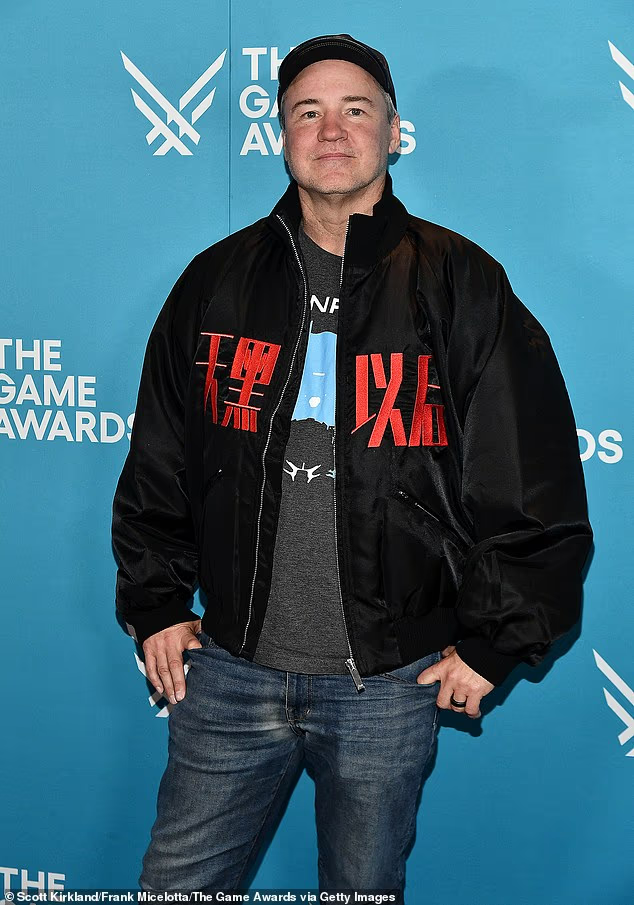
Those close to Zampella frequently noted this aspect of his personality. While he was widely respected for his technical and managerial expertise, he was equally known for mentoring younger developers and fostering creative risk-taking. Many within the industry credit him with helping to shape not just successful games, but entire careers.
His professional journey was not without controversy. Earlier in his career, Zampella was involved in high-profile legal disputes related to studio leadership and intellectual property rights—conflicts that ultimately reshaped the structure of major game development partnerships. While contentious at the time, these episodes also cemented his reputation as a determined and resilient figure willing to challenge established systems.
In the years that followed, he emerged stronger, taking on expanded roles within Electronic Arts and overseeing multiple studios. His influence extended beyond individual titles to broader strategic decisions, including the direction of live-service gaming and the integration of storytelling across platforms.
Away from the public eye, Zampella maintained a relatively private personal life. Friends and colleagues often described him as deeply devoted to his children, balancing the demands of a high-profile career with a commitment to family. Despite the pressures associated with leading major franchises, he reportedly prioritized time with his loved ones whenever possible.
The circumstances of his reported death have inevitably sparked discussions about risk, speed, and the culture surrounding high-performance vehicles. The Ferrari 296 GTS he was driving represents the pinnacle of automotive engineering, but also demands careful handling—particularly on winding mountain roads such as the Angeles Crest Highway.
As investigations continue, the focus for many remains less on the mechanics of the حادث and more on the legacy left behind. Within the gaming community, tributes have poured in from developers, players, and industry leaders alike, each reflecting on the impact of his work and the experiences it created.
For millions of players, Zampella’s contributions are woven into countless hours of gameplay—shared moments of competition, cooperation, and storytelling that transcend geographical and cultural boundaries. His work helped define an era of gaming, one in which interactive entertainment became a dominant force in global culture.

Whether through his leadership at Infinity Ward, his strategic role at Electronic Arts, or his creative influence on Call of Duty, Vince Zampella’s presence has been a constant in the evolution of the medium. His reported passing, sudden and tragic, marks not only the loss of an individual but the end of a chapter in the history of video games.
In the absence of definitive answers about the crash, what remains is a complex portrait of a man whose professional achievements were matched by personal ambition and evolving interests beyond the industry that made his name. From digital battlefields to real-world ventures, Zampella’s trajectory reflected a restless drive to build, innovate, and explore.
As those who knew him continue to reflect on his life, the emphasis returns to the enduring influence of his work and the relationships he cultivated along the way. In that sense, his legacy extends far beyond any single title or company, embedded instead in the broader narrative of modern entertainment and the people who helped shape it.



Comments