


Matt Damon unexpectedly “emerges” from a Trojan horse on live television: The shocking intrusion that stunned Jimmy Kimmel Live.
- Jun 22
- 5 min read
Hollywood has always had a flair for spectacle, but every so often a promotional stunt comes along that feels less like marketing and more like performance art. Matt Damon’s unexpected appearance on Jimmy Kimmel Live inside a Trojan horse belongs firmly in that category—a moment that blurred the line between ancient myth, modern celebrity rivalry, and blockbuster film promotion.
The appearance was designed to promote The Odyssey, Christopher Nolan’s ambitious adaptation of Homer’s epic poem, but what unfolded on set became something far more chaotic and theatrical than a standard late-night interview. Damon didn’t simply walk onto the stage. He arrived, quite literally, as part of a mythic infiltration.
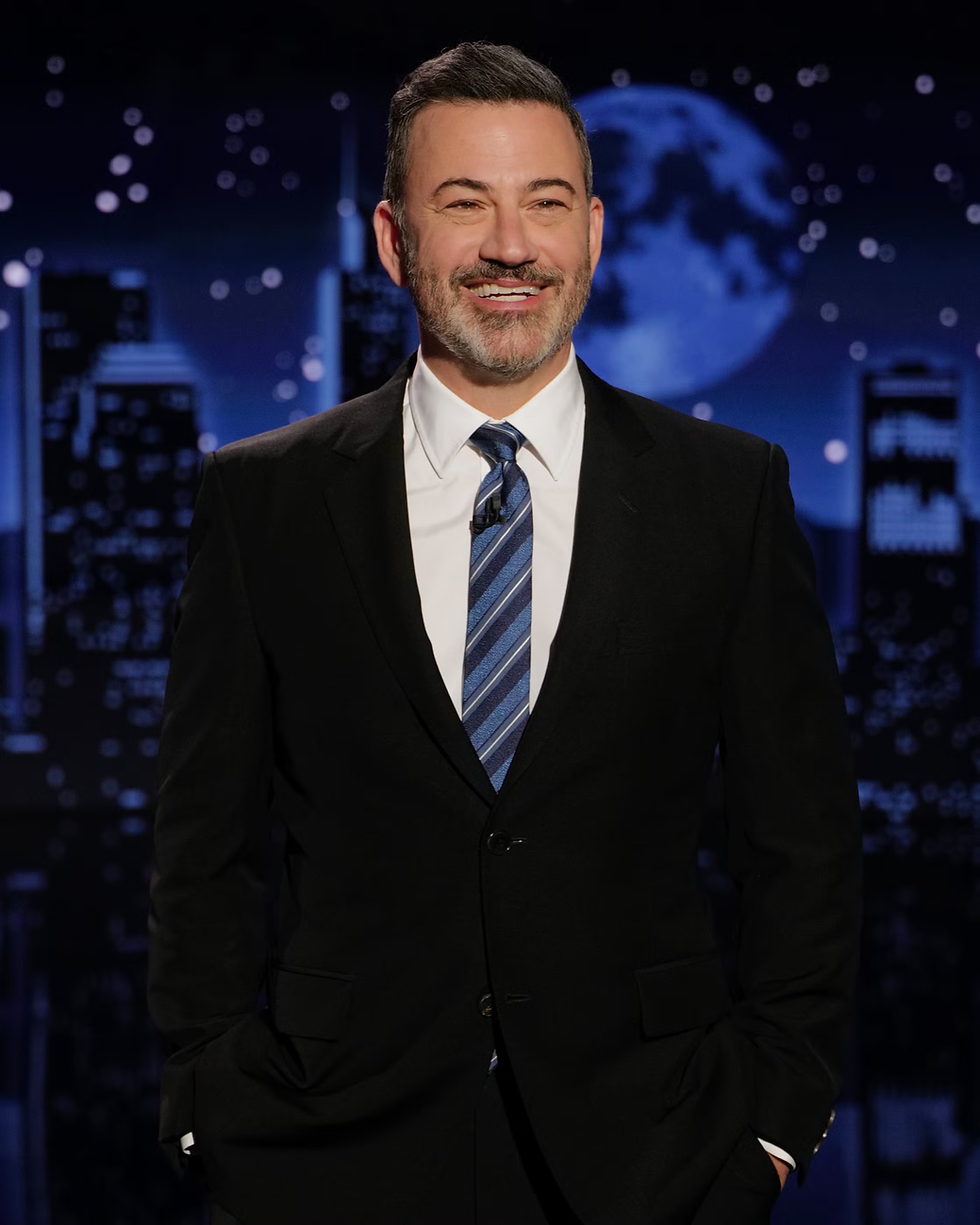
The night began like any other broadcast of Jimmy Kimmel Live. The host, preparing for his upcoming break from the show, was guiding the audience through the opening rhythm of monologue and banter when an unexpected interruption broke the flow. A delivery truck pulled up with what appeared to be an oversized shipment addressed to the studio.
According to the segment’s setup, a UPS driver announced the arrival of a massive wooden structure—a Trojan horse statue accompanied by a smaller companion piece described as a “baby horse.” Confusion quickly spread across the stage as the production team tried to determine who had ordered such an elaborate and suspicious delivery.
Kimmel, visibly puzzled, insisted on-air that he had never requested any such item and refused to sign for it. The absurdity escalated further when his longtime sidekick Guillermo Rodriguez enthusiastically stepped in, happily accepting responsibility for the mysterious delivery, as if a giant mythological prop were just another routine package.
The situation already felt like a sketch comedy bit when the tone shifted again. From within the structure, movement began to stir. What followed was a reveal designed for maximum shock value: Matt Damon emerged from inside the Trojan horse, greeted by immediate applause and stunned laughter from the studio audience.
The actor, clearly leaning into the theatricality of the moment, delivered his entrance line with chaotic confidence, declaring: “The horse is here and there’s no kickbacks, bitch! I did it. I am here, baby.” The expletive-laced proclamation instantly set the tone for what would become a combative, joke-heavy exchange with Kimmel.
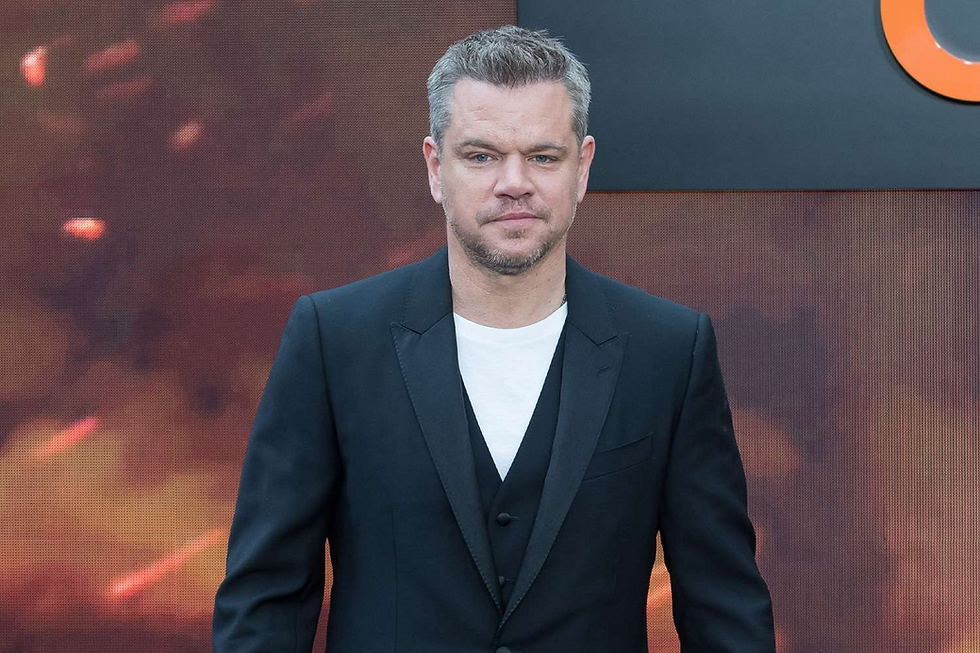
Damon framed his entrance as something almost heroic, insisting he had “traveled far and wide through waves and war” to reach the audience, presenting the stunt as if he were Odysseus himself returning from battle. The self-mythologizing humor aligned neatly with the film he was promoting, turning the press tour into a live-action extension of the story.
Kimmel, however, was quick to challenge the theatrics. His reaction oscillated between disbelief and irritation, repeatedly questioning how long Damon had been hiding inside the structure and why such an elaborate scheme was necessary just to appear on a talk show. The host’s skepticism added fuel to their long-running comedic rivalry, which has played out across years of televised appearances and staged feuds.
At one point, Damon attempted to justify the stunt by referencing the film directly, stating simply: “It is called The Odyssey.” He added, with characteristic sarcasm, that it was based on a book Kimmel “probably didn’t know about,” escalating their familiar comedic antagonism.
The exchange quickly devolved into insult-driven banter, with Kimmel mocking Damon’s decision-making and Damon firing back with equally exaggerated personal jabs. The tone remained playful, but the energy mirrored a staged wrestling promo more than a traditional interview segment.

The physical comedy escalated when both men resorted to wielding pool noodles, turning the studio into a surreal battleground that further emphasized the absurdity of the entire setup. What might have been a simple promotional stop instead became a full-scale comedic set piece involving props, insults, and mythological framing.
While the stunt itself was designed as entertainment, it also served a strategic purpose. The Odyssey, directed by Christopher Nolan, is one of the most anticipated films of the upcoming year, bringing together a large ensemble cast including Tom Holland, Anne Hathaway, Robert Pattinson, Zendaya, Charlize Theron, John Leguizamo, Jon Bernthal, and Lupita Nyong’o. Damon’s role in the film places him at the center of a narrative rooted in endurance, deception, and the long journey home—making the Trojan horse entrance a clever thematic extension of the material.
The choice of promotional strategy reflects a broader trend in modern blockbuster marketing, where traditional press interviews are increasingly replaced by immersive, narrative-driven stunts. In Damon’s case, the Trojan horse was not only a visual gag but also a symbolic alignment with the source material, referencing one of the most famous strategies in literary history.
Beyond the spectacle, Damon himself remains one of Hollywood’s most established and versatile actors. Rising to prominence in the late 1990s with Good Will Hunting, which he co-wrote with Ben Affleck, he quickly transitioned into leading roles in both commercial franchises and prestige dramas. His performances in The Bourne Identity, The Martian, Saving Private Ryan, and Oppenheimer have cemented his reputation as a reliable anchor of major cinematic projects.

His long-standing comedic dynamic with Jimmy Kimmel has become its own cultural subplot. For years, Damon has been portrayed as the perennial “unwanted guest” on Kimmel’s show, a running joke that has evolved into increasingly elaborate skits. This latest Trojan horse appearance can be seen as the most extravagant iteration of that fictional rivalry to date.
Kimmel, for his part, has built a career on blending celebrity interviews with meta-comedy, often incorporating real-life friendships and feuds into his on-air persona. The Damon rivalry, though staged, has become one of the show’s most recognizable comedic threads, blurring the boundary between scripted humor and spontaneous performance.
The inclusion of The Odyssey in this comedic ecosystem adds another layer of meta-commentary. Homer’s original epic is built around disguise, deception, and identity—qualities that mirror both Damon’s entrance and the promotional framing of the film itself. In this sense, the stunt was not merely marketing, but a thematic echo of the story being told on screen.
Outside of the studio, anticipation for The Odyssey continues to build. Directed by Christopher Nolan, the film represents one of his most ambitious projects to date, combining large-scale historical adaptation with a star-studded ensemble cast. Nolan’s reputation for blending spectacle with intellectual depth has positioned the film as a major cultural event ahead of its release.

Industry observers have noted that Damon’s involvement in such a visually symbolic promotional moment reflects the increasing convergence between auteur filmmaking and viral marketing strategies. Rather than relying solely on traditional interviews or trailers, studios are now investing in narrative experiences that extend into real-world appearances.
In Damon’s case, the Trojan horse stunt may ultimately be remembered as one of the most theatrical promotional appearances in recent Hollywood memory. It captured not only attention but also imagination, transforming a standard talk show segment into a staged mythological intrusion.
As the segment concluded, the chaos on set gradually settled, but the impact lingered. What had begun as a promotional stop ended as a fully realized comedic spectacle—part parody, part performance, and part ancient myth reimagined for late-night television.
Whether audiences tuned in for the humor, the rivalry, or the film itself, one thing became clear: Matt Damon did not simply promote The Odyssey. He embodied it, climbed inside it, and quite literally broke out of it on national television.

And in doing so, he turned a talk show stage into something closer to a battlefield from legend—where the Trojan horse was not a story from the past, but a very real object rolling into the present.



Comments