


Madonna Reveals Why Her Biopic Collapsed—and the Truth Behind Her Next Big Comeback
- Jun 22
- 5 min read
Few artists have maintained cultural relevance as successfully as Madonna. From a young woman arriving in New York with little more than ambition and determination, she transformed herself into one of the most influential figures in modern popular culture. More than four decades after launching her career, Madonna continues to create, reinvent herself, and explore new artistic directions. Her recent conversation with Interview Magazine offered a glimpse into a period of reflection, creativity, and renewal as she prepares for a new album, Confessions II, while continuing to explore ways of telling her life story on screen.

One of the most discussed revelations from the interview was the fate of the long-planned biographical film about her life. Madonna explained that the project spent years in development before ultimately falling apart due to disagreements over budget and creative scope. For an artist whose career spans multiple generations, industries, and cultural movements, condensing her story into a conventional film was always going to be a challenge. The experience eventually led her to consider a television series format, which she believes could provide more room to explore the complexity of her life and career.
The challenge of adapting Madonna’s story lies in the sheer scale of her influence. Since emerging in the early 1980s, she has continuously reshaped the boundaries of pop music, fashion, performance, and celebrity culture. Songs such as Like a Virgin, Material Girl, Papa Don’t Preach, Vogue, and Like a Prayer were not merely commercial successes; they became cultural moments that sparked debates about gender, religion, sexuality, and artistic freedom. Any attempt to portray her life inevitably becomes a portrait of several decades of cultural change.

While her screen project remains in development, music has once again become Madonna’s primary focus. Reuniting with producer Stuart Price, the creative force behind the acclaimed 2005 album Confessions on a Dance Floor, inspired her to begin work on Confessions II. The project reportedly began with deeply personal songwriting before evolving into a collection of dance-oriented tracks, blending emotional introspection with the energetic sound that has long defined some of her most successful work.
The album arrives during a period of significant personal reflection. Madonna has spoken about how family experiences influenced the writing process, including illness, loss, and changing relationships within her family. These experiences encouraged her to explore themes of grief, resilience, reconciliation, and personal growth. Rather than avoiding difficult emotions, she appears to have used them as creative fuel, transforming private experiences into artistic expression.
Family has increasingly become a central theme in Madonna’s life. Although much of her public image was built around independence, rebellion, and self-reinvention, recent years have revealed a more intimate side of the performer. Her relationship with her children, in particular, has become a recurring source of inspiration. Working creatively alongside her daughter Lourdes represented an important personal milestone and reflected a period of greater openness within the family.

The singer is the mother of six children and has often described motherhood as one of the most important aspects of her life. Balancing a demanding international career with family responsibilities has never been simple, yet Madonna has frequently emphasized that raising her children has shaped her perspective as much as any professional achievement. As her children have grown older, they have increasingly appeared alongside her at public events and artistic projects.
Long before she became a global superstar, Madonna endured years of uncertainty in New York City. Arriving in the city as a young aspiring dancer, she worked a variety of jobs while pursuing opportunities in music and performance. Those formative years exposed her to the city’s vibrant underground culture, where artists, musicians, designers, and performers were constantly crossing paths. The connections she formed during that period would prove crucial to her future success.
Her rise to fame was far from accidental. Madonna demonstrated an unusual combination of ambition, instinct, and business awareness from the beginning of her career. She understood the importance of visibility, networking, and creative control long before such concepts became standard practice for artists. This determination helped her secure opportunities that eventually led to her first recording contract and the launch of a career that would transform popular music.
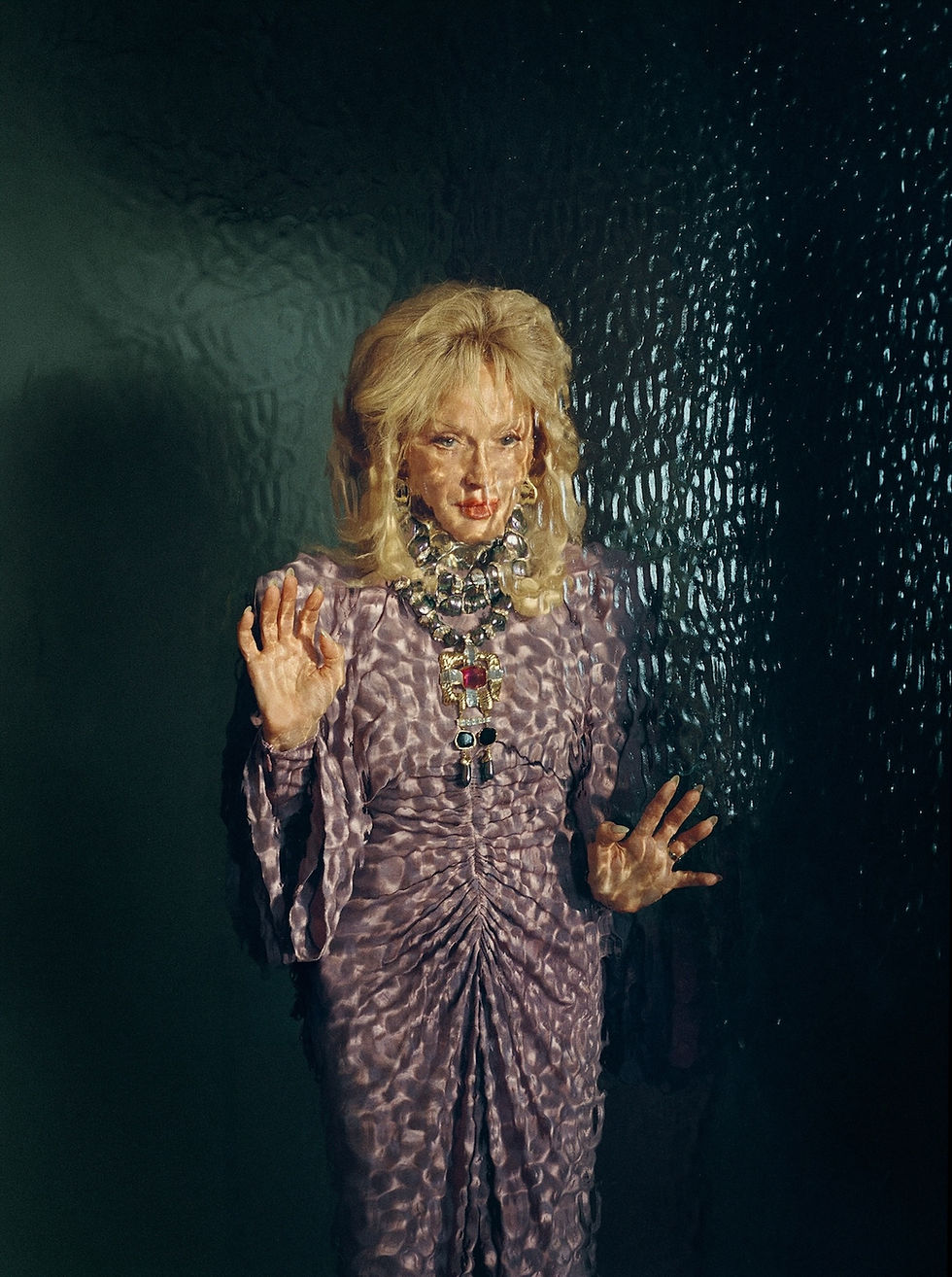
Commercially, Madonna remains one of the most successful recording artists in history. She has sold hundreds of millions of records worldwide and has consistently reinvented her image across multiple decades. Unlike many performers who become associated with a single era, Madonna repeatedly adapted to changing musical landscapes while maintaining a distinct artistic identity. Her ability to evolve has often been cited as one of the key reasons for her longevity.
Yet success has rarely come without controversy. Throughout her career, Madonna has frequently challenged social norms and conventional expectations. Religious groups, political commentators, and cultural critics have often criticized her work for being provocative or controversial. Whether addressing sexuality, gender roles, religion, or political issues, she has repeatedly chosen confrontation over caution. For supporters, this willingness to challenge accepted boundaries is precisely what makes her such a significant cultural figure.
Her personal relationships have also remained a subject of public fascination. Madonna’s marriages to Sean Penn and later Guy Ritchie attracted enormous media attention, with both relationships becoming frequent topics of tabloid coverage. While neither marriage lasted, each represented a distinct chapter in her personal life and public image. In recent years, however, Madonna has generally become more selective about discussing her romantic relationships in detail.

Beyond music, Madonna has built an extensive career as an actress, entrepreneur, author, and producer. She has starred in films, launched fashion and beauty ventures, published children’s books, and developed numerous business projects. This diversification helped establish a model later adopted by many modern celebrities who view themselves not only as performers but also as brands and business leaders.
Her influence on younger generations of artists remains difficult to overstate. Performers including Britney Spears, Lady Gaga, Beyoncé, Rihanna, Dua Lipa, and countless others have acknowledged her impact on the evolution of female pop stardom. Madonna helped create a blueprint for artists seeking creative control over their music, image, and public narrative. Many of the freedoms enjoyed by contemporary female performers were shaped, at least in part, by battles she fought decades earlier.
Recent years have also brought significant health challenges. Following a serious medical emergency in 2023, questions emerged about whether she would be able to maintain the demanding pace that had characterized her career for decades. Instead of stepping away from public life, Madonna returned to performing and continued developing new projects. The experience appears to have reinforced her awareness of time, mortality, and the importance of continuing to create.

This perspective is reflected in her comments about social media. Although she remains active online, Madonna has acknowledged the negative psychological effects that constant digital engagement can create. Rather than allowing social platforms to define her sense of self, she increasingly emphasizes the value of time, focus, and meaningful creative work. It is a viewpoint shaped by decades of living under public scrutiny and witnessing the dramatic evolution of media culture.
Taken together, Madonna’s latest reflections suggest an artist entering another phase of reinvention. The rebellious energy that once shocked audiences has not disappeared, but it has evolved into something more reflective and personal. Through new music, family collaborations, and efforts to revisit her life story, Madonna appears focused on understanding her past while continuing to move forward. More than forty years after her breakthrough, she remains driven by the same force that first brought her to New York: the desire to create, to challenge expectations, and to keep evolving.



Comments