


Madonna returns with a new music film, revealing a series of songs and shocking cameos.
- Jun 9
- 5 min read
Madonna’s long-anticipated visual project Confessions II has officially arrived, marking a new chapter in the pop icon’s ever-evolving artistic universe. The film, created as a companion piece to her upcoming album of the same name, premiered publicly following its debut at the Tribeca Film Festival in New York City, before being released on her official YouTube channel.
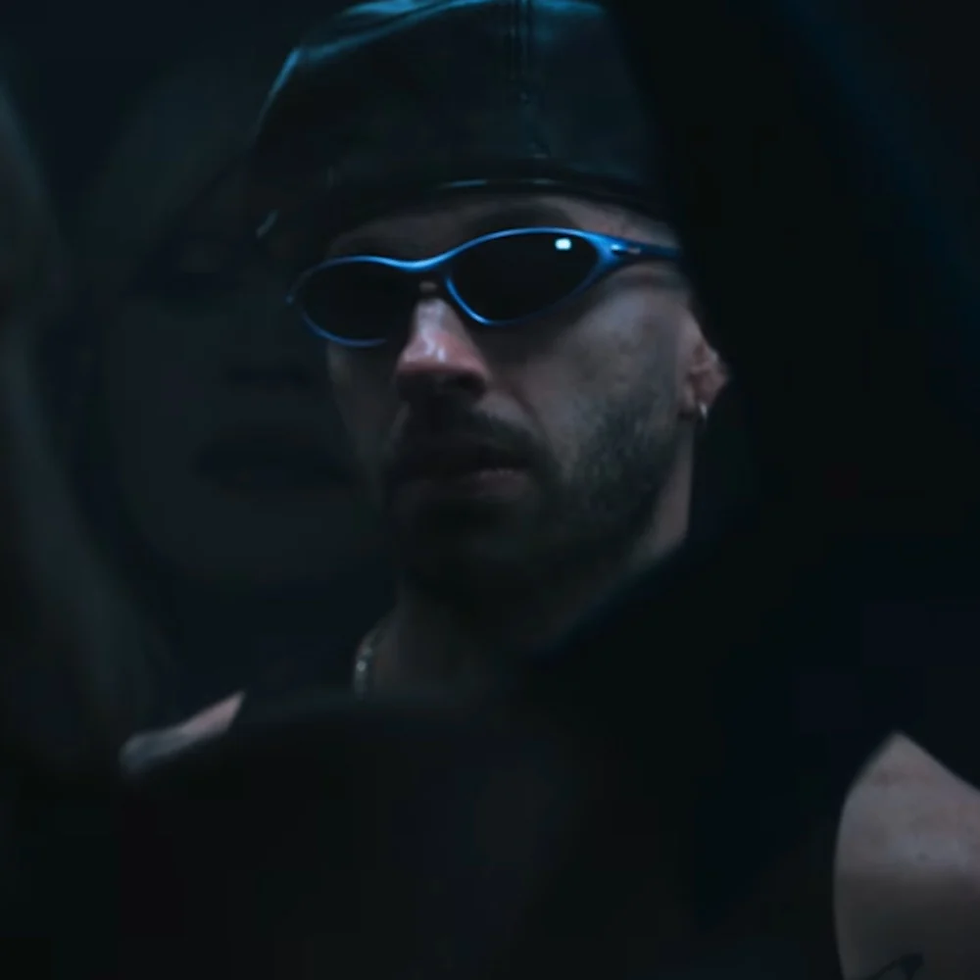
The project presents itself not as a traditional music video collection but as a continuous cinematic experience. Built around the first six tracks of the forthcoming album, Confessions II incorporates a series of interconnected sequences that blur the boundaries between music, narrative, and performance art. The film includes previously released songs such as “I Feel So Free” and “Bring Your Love,” the latter featuring Sabrina Carpenter, alongside unreleased tracks including “Good for the Soul,” “One Step Away,” “Danceteria,” and “Read My Lips,” featuring Colombian artist Feid.
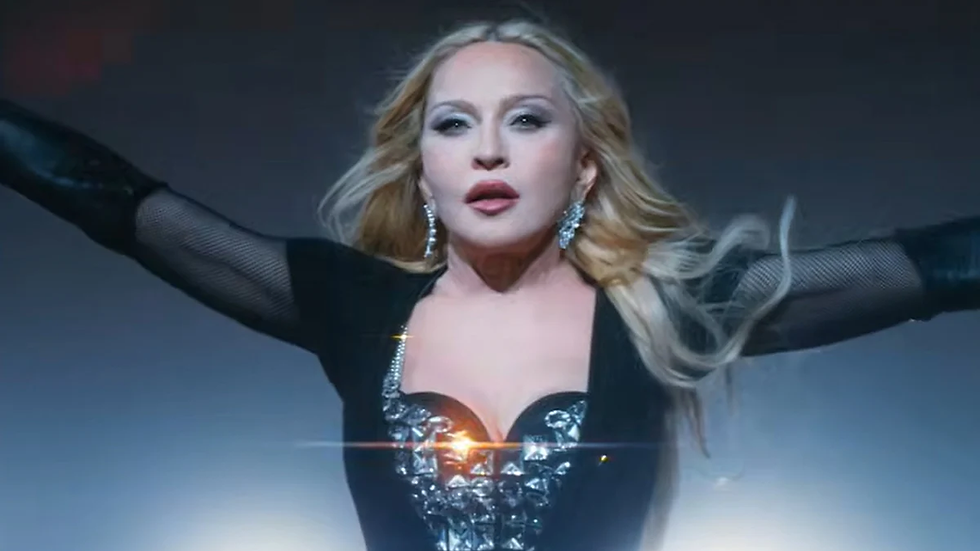
According to the official synopsis, Confessions II is structured as a unified visual journey exceeding ten minutes in length, designed to immerse viewers in a continuous flow of sound and imagery. Each segment functions as a chapter within a larger narrative, forming what is described as a “sexy thriller,” a “dance delusion,” and an “epic fever dream.” The film intentionally dissolves the boundaries between individual songs, creating a seamless audiovisual experience that prioritizes emotional rhythm over linear storytelling.
The synopsis further describes the project as an exploration of perception and sensation, where Madonna becomes both subject and object within a shifting visual landscape. In this conceptual framework, she is “ambushed, pursued, and ultimately worshipped by a roving squad of camera-wielding femmes,” moving through environments that range from intimate domestic spaces to nightlife settings, urban interiors, and open natural landscapes.
These shifting locations serve as symbolic stages for recurring themes that have defined Madonna’s career for decades. The film revisits the tension between privacy and publicity, intimacy and performance, control and surrender. It also reflects on grief and catharsis, as well as the relationship between artist and audience, suggesting that these dualities are not contradictions but essential components of her artistic identity.
The narrative of Confessions II ultimately returns to a central motif that has long been associated with Madonna’s legacy: the dancefloor. Across her career, the dancefloor has functioned not only as a physical space but as a conceptual arena where identity, liberation, and transformation converge. In this new visual work, it once again becomes the site where music, memory, and self-expression intersect.

The release of Confessions II continues Madonna’s longstanding tradition of treating albums as multimedia experiences rather than purely auditory works. Throughout her career, she has consistently pushed the boundaries of pop music by integrating film, performance art, fashion, and conceptual storytelling into her projects. From Like a Prayer to Ray of Light and Confessions on a Dance Floor, her artistic output has repeatedly challenged conventional distinctions between pop stardom and experimental art practice.
As one of the most influential figures in contemporary pop culture, Madonna’s career has been defined by reinvention. Emerging in the early 1980s, she quickly established herself as a global force with her provocative aesthetic and genre-defining approach to music videos. Her ability to adapt to shifting cultural landscapes has allowed her to maintain relevance across multiple decades, often redefining mainstream expectations in the process.
Her previous album Confessions on a Dance Floor, released in 2005, marked a significant moment in her career, blending disco influences with electronic production and reinforcing her connection to club culture. The album was both a critical and commercial success, widely regarded as one of her strongest works of the 2000s. Confessions II appears to revisit and expand upon that creative era, reinterpreting its sonic and visual language for a contemporary audience.
Over the years, Madonna has also become a central figure in conversations about artistic control and female autonomy in the music industry. Her insistence on creative independence has often placed her at odds with industry expectations, but it has also solidified her reputation as a pioneer who reshaped the role of women in pop music. Her work frequently engages with themes of sexuality, religion, power, and identity, often sparking both acclaim and controversy.

In addition to her musical influence, Madonna’s visual projects have consistently attracted high-profile collaborators and celebrity appearances. Confessions II continues this tradition, incorporating multiple cameos that extend the project’s cultural reach. The inclusion of Sabrina Carpenter and Feid reflects Madonna’s ongoing engagement with contemporary pop and Latin music scenes, bridging generational and stylistic divides.
The collaborative nature of the project underscores Madonna’s continued relevance within a rapidly evolving industry. By aligning herself with younger artists while maintaining her distinct artistic identity, she positions Confessions II as both a continuation and a reinvention of her established aesthetic universe.
The film’s structure, described as a “continuous piece,” reflects broader trends in modern music consumption, where visual albums and immersive multimedia releases have become increasingly prominent. Artists across genres have experimented with similar formats, but Madonna’s contribution stands out due to her historical role in shaping the very concept of the music video as an art form.
Throughout Confessions II, the emphasis on sensory experience over linear narrative reinforces the idea that music and image are inseparable elements of Madonna’s artistic language. Rather than presenting a traditional storyline, the film constructs an emotional landscape where meaning emerges through rhythm, movement, and visual association.
This approach also aligns with Madonna’s long-standing interest in performance as transformation. Across her career, she has repeatedly used stagecraft, costume, and choreography to challenge fixed notions of identity. In Confessions II, these elements are integrated into a fluid cinematic structure that resists singular interpretation.
The release of the film also arrives at a moment when Madonna continues to occupy a unique position in popular culture. Despite decades in the industry, she remains a figure of both reverence and debate, often cited as a benchmark for artistic longevity and reinvention. Her influence can be seen across generations of performers who have adopted aspects of her visual style, thematic boldness, and genre fluidity.
While details surrounding the full Confessions II album remain closely guarded ahead of its July 3 release, the film offers the most substantial preview yet of its creative direction. The inclusion of both previously released and unreleased tracks suggests a cohesive thematic vision that extends beyond individual singles, reinforcing the album’s conceptual nature.
As anticipation builds for the full record, Confessions II functions as both an introduction and a statement of intent. It situates Madonna once again at the intersection of pop music and experimental visual art, reaffirming her commitment to pushing the boundaries of what a pop album can represent.

In doing so, the project continues a career-long pattern of reinvention that has defined Madonna not only as a recording artist but as a cultural architect whose influence extends far beyond music alone.



Comments