


Kit Harington and Peter Dinklage reunite after 7 years since Game of Thrones: shocking revelations about behind-the-scenes secrets, rehab, and Hollywood’s darker side.
- Jun 9
- 5 min read
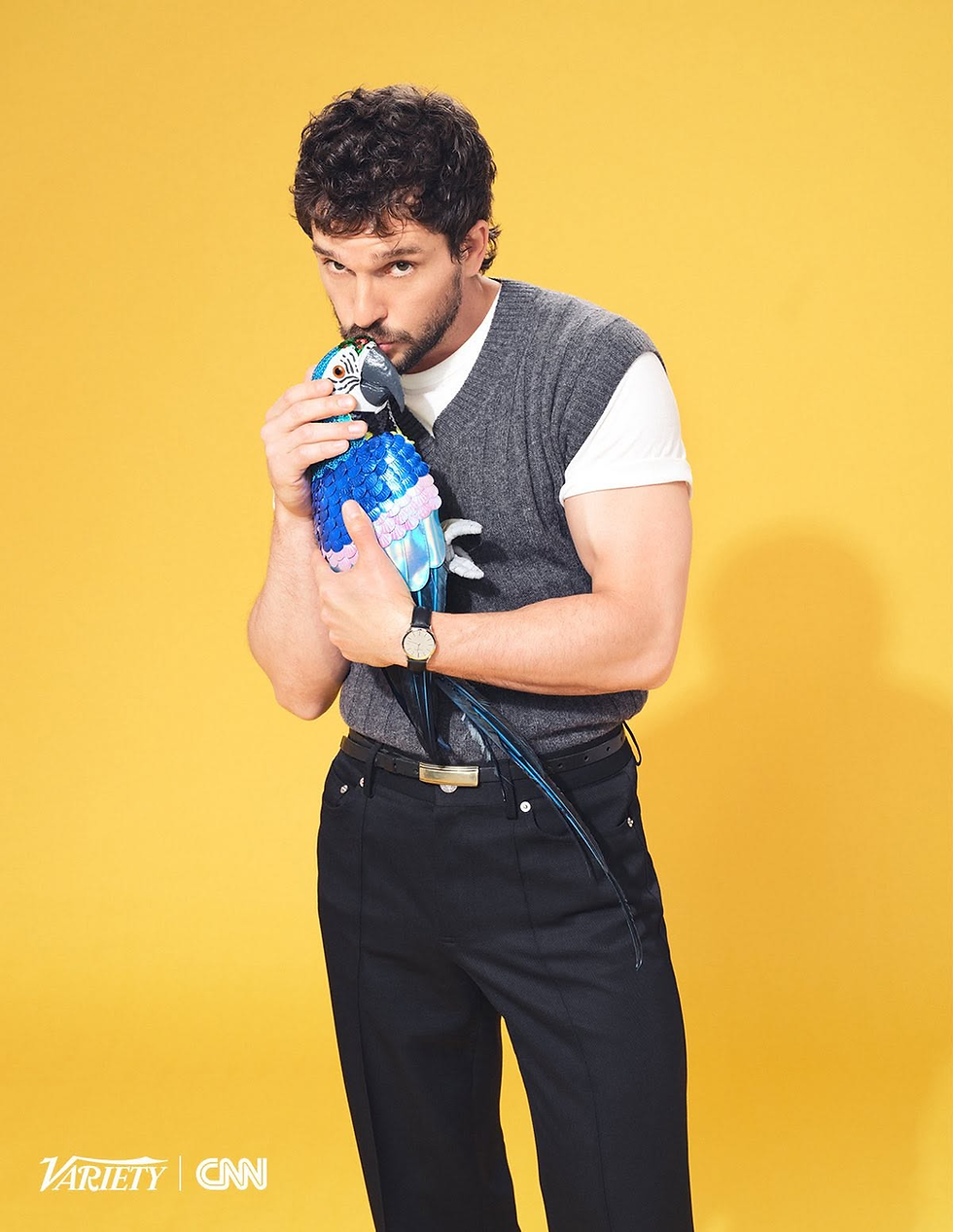
Kit Harington and Peter Dinklage reunite after years apart, their first conversation since the end of “Game of Thrones” in 2019 feeling less like a press interview and more like two colleagues rediscovering a shared past that reshaped both of their lives. The HBO fantasy series, which ran for nearly a decade, not only defined a generation of television but also permanently altered the trajectories of its ensemble cast. For Harington, now 39 and appearing in HBO’s “Industry,” and Dinklage, 56, recently seen in FX’s “The Lowdown,” the reunion carries the weight of time, fame, and personal reinvention.
The tone between them is immediate and unfiltered, as if no time has passed at all.
Kit Harington opens the conversation with a self-aware warning. “Here’s something. This is going to be painful for you.”

Peter Dinklage responds without hesitation: “Oh, boy. Let’s embarrass the fuck out of each other.”
The familiarity sets the rhythm for everything that follows, a dialogue shaped by shared years on set, long filming conditions, and the global phenomenon that followed them far beyond Belfast studios and European shooting locations.
Harington reflects on their earliest scenes together, recalling how inexperienced he felt at the time. “I am now the age — that you were when I first met you. My first-ever scene on camera was with you, and I remember thinking, ‘I’ve just got to be really still. That’s acting for cameras. To be as still as I possibly can be, then say my lines, then go back to stillness.’ And in my head I’m like, ‘Why is that guy moving so much?’”
Dinklage laughs at the memory. “Overacting. Bad acting. Being a ham.”
Harington corrects himself in hindsight, acknowledging experience rather than restraint: “And then I realized, no, you were just so much more experienced. I was like, ‘Just freeze. If you freeze, nothing can go wrong.’”
What emerges between them is not just nostalgia but a clear understanding of how differently fame shaped each of them. Harington describes entering “Game of Thrones” without understanding its scale. “For me, I had no idea what ‘huge’ was. I didn’t know what pilot season was. I knew what the Emmys were. I knew the letters ‘HBO’ because I knew ‘The Sopranos.’ And I knew I was in an American TV show. That was huge, just being employed. But it was an alarming realization when it started to be a success. It was like, ‘OK, this is good, but it’s getting a bit scary now.’”
Dinklage remembers it differently, grounded in a more stable personal life. “My first kid was born at the end of the second season. So much of my life was changing at that time. She went to school in Ireland half the year and had an Irish accent. So while the young ones were off going around, I was getting her to school in the morning. It was such a homebody existence for me in Belfast.”

The contrast highlights how the same cultural phenomenon created entirely different realities for its cast. While Harington describes a chaotic rise through global fame in his twenties, Dinklage describes rooted domesticity and stability in Ireland.
Harington admits that fame became overwhelming. “In my 20s, we were just tearing it up. Everything’s electric. But on top of that, being in this thing and it just goes nuclear — the reins came off at times.”
Dinklage adds perspective on youth and visibility. “In my 20s, for a lot of us, we were struggling still. Twenties are about making mistakes, breaking hearts, getting your heart broken, fucking up. And I think mistakes are really important in life, but with you guys, all your mistakes were public knowledge.”
As the conversation deepens, Harington opens up about a difficult chapter after the series ended, revealing his decision to enter rehab while the final season was airing. “I decided to go to rehab as Episode 1 [of the eighth and final season] was airing, and I was there for six weeks. I needed to get sober. I needed to get my head on straight… So I didn’t see the last season.”
He continues, reflecting on the aftermath. “It was a good decision to go, ‘Actually, I’m checking out. I can’t do this.’ … It allowed me to figure out — not to be too wanky — who I was. And whether I really wanted to do this anymore, talking bluntly. I spent a lot of ‘Game of Thrones’ working from a place of pain.”
Dinklage responds with quiet recognition. “A lot of those characters have nothing but pain.”
Harington acknowledges that while the performance was meaningful, it came from an emotional place he later questioned. “I’m very proud of the work I did, but I was pulling purely from pain.”

Dinklage, meanwhile, speaks about the challenge of being defined by a single role. “You start to try and engineer things to get yourself out of the Tyrion box, because that’s the greatest character I’ve ever played, but you don’t want to go right into doing that more. And people want more.”
He reflects on the industry’s limitations as well. “Tyrion, for someone my size, opened people’s eyes… But once ‘Thrones’ ended, I was still getting fantasy things that were back to what it was before. Like, ‘Damn, I thought we were out to change things.’”
Despite global success, both actors describe the post-series period as uncertain. Harington stepped away from work for a time, while Dinklage pursued selective projects and smaller films, intentionally avoiding roles he did not connect with creatively.
The conversation shifts to personal growth, particularly how both men now navigate fame, criticism, and aging. Harington admits social media avoidance has become essential. Dinklage counters with a more grounded philosophy. “We have to care what people think, because we’re sharing our souls… But the joy of getting older is not caring anymore. I have my friends; I have my family.”
The tone becomes lighter when Harington jokes about his recent work. “I’m weirdly doing a lot of nudity at the moment, and sex scenes. The more I do it, the more I think, ‘I think I should stop.’ I’ve got to start thinking about my kids, like, ‘Why is Daddy always naked on-screen?’”
Dinklage responds dryly: “It’s OK. Nudity’s good.”
Their discussion inevitably turns toward family life, with Dinklage sharing how his children have now discovered “Game of Thrones,” while Harington reflects on what it means for his own children to eventually see his work with their mother, Rose Leslie.

The emotional core of the reunion, however, is not nostalgia but recognition: both actors have moved far beyond the versions of themselves that first stepped into Westeros. The experience that once defined them now sits in memory rather than identity.
Dinklage describes a recent experience working alongside Ethan Hawke on FX’s “The Lowdown,” calling it reminiscent of earlier days on “Game of Thrones,” where collaboration felt raw and unfiltered. Harington agrees, noting that the original production’s simplicity helped create its authenticity, despite the physical hardships.
As the interview draws to a close, the tone softens entirely, with both actors reflecting on the passage of time and the distance between colleagues who once shared years of intense creative work.
Harington admits that maintaining relationships after the series ended has been difficult. “With the [‘Game of Thrones’] cast? With Emilia [Clarke], yes… But there’s an element of school leavers to it.”
Dinklage echoes the sentiment more bluntly. “I’ve been told sometimes by friends, ‘Text me more, man. Be a better friend.’ With kids and stuff, you let time go by.”
What remains between them is not just professional respect but something closer to shared history — a recognition that they were part of a cultural moment neither fully controlled nor fully understood at the time.
As they sign off, the exchange is simple.
Harington: “Love you.”
Dinklage: “Love you.”
For two actors forever linked by one of television’s most influential series, it is a fitting ending: unguarded, familiar, and quietly human beneath the scale of everything that came before it.


Comments