


Josh Hutcherson says his infamous “rock camouflage” scene in The Hunger Games becoming a global meme for over a decade still haunts him, admitting: “Nobody stopped it.”
- May 13
- 6 min read
More than a decade after The Hunger Games first transformed young adult cinema and launched a generation of global stars, Josh Hutcherson is looking back at one of the franchise’s most unintentionally viral moments with a mixture of embarrassment, disbelief and reluctant humor. The actor, who portrayed Peeta Mellark throughout the original four-film saga, recently revisited the infamous camouflage scene from the first movie — the sequence in which Peeta paints himself to blend into a rocky creek bed while injured during the Games. Though the scene was originally intended to highlight Peeta’s survival instincts, it has since evolved into one of the internet’s favorite memes, something Hutcherson admits he still has complicated feelings about years later.
Speaking in a recent interview with GQ, Hutcherson openly questioned the logic behind the scene and confessed that he had concerns even before filming began. At the time, Peeta’s sudden ability to camouflage himself almost perfectly into the surrounding environment became one of the most discussed visual moments in the movie adaptation. Online, screenshots of Hutcherson covered in paint and disguised as rocks quickly turned into reaction memes that have survived long after the franchise itself concluded.

Reflecting on the scene now, Hutcherson admitted he never truly believed the moment worked onscreen. “I was like, ‘Look, I know this dude's a baker, but how is he doing this? Baking sourdough is not painting. How the f--- did he do that?’ ” he told the outlet. The actor then jokingly added: “Why didn't someone stop it? There are so many people who could have stopped it. They let it happen to me. I just lay there.”
The sequence in question appears midway through the first Hunger Games film after Peeta is severely injured following his temporary alliance with the Career Tributes. Suffering from a dangerous leg wound and hiding from enemies, Peeta disguises himself within the creek bed until Katniss Everdeen, played by Jennifer Lawrence, eventually discovers him. While the moment was visually memorable, many viewers unfamiliar with the deeper details of Suzanne Collins’ novels found the sudden camouflage ability oddly exaggerated.
In Collins’ original books, however, there is more context surrounding Peeta’s artistic skills. Peeta is established early on as the member of the Mellark family responsible for cake decorating at the family bakery. During the pre-Games training sequences, his talent for camouflage and decorative painting is also specifically mentioned, subtly foreshadowing the creek scene later in the story. According to many fans, the film adaptation simply failed to fully develop those details beforehand, making the scene appear unintentionally absurd to audiences.
Over time, the image became inseparable from internet culture. Hutcherson’s expressionless face emerging from the painted rocks evolved into a long-running meme across TikTok, X and Reddit, often resurfacing whenever discussions about bizarre movie moments appeared online. Ironically, the scene’s awkwardness may have helped preserve Peeta’s cultural relevance years after the franchise ended.
Despite his playful criticism, Hutcherson made it clear he still feels deeply connected to The Hunger Games franchise and appreciates its lasting impact. “I could talk all day about Hunger Games,” he said. “I think [they] are amazing books. They're fantastic movies. They stand for something important and real, especially in today's world. The themes of authoritarianism and overpowering violent governments are very present. They didn't listen to The Hunger Games.”
His comments arrive as speculation surrounding the future of the franchise continues growing. Hutcherson carefully avoided confirming reports that he and Jennifer Lawrence may return for a cameo appearance in the upcoming prequel film The Hunger Games: Sunrise on the Reaping. “I cannot confirm nor unconfirm,” he said when asked about his possible involvement.

Rumors surrounding the return of original cast members intensified after multiple entertainment outlets reported in late 2025 that Lionsgate was interested in bringing back familiar faces from the original saga. Details regarding the potential appearances remain heavily protected, though fan anticipation has only increased as the Hunger Games universe continues expanding.
For Josh Hutcherson, revisiting Peeta also means revisiting the moment his life changed permanently. Although he had already built a successful career as a child actor through films like Bridge to Terabithia, Zathura: A Space Adventure and Journey to the Center of the Earth, it was The Hunger Games that elevated him into worldwide fame. The franchise transformed its young cast into some of the most recognizable actors of their generation almost overnight.
Hutcherson later described the experience as “a rocketship of attention and success.” Even today, more than ten years after the final installment of the original series, he says Peeta remains the role fans most frequently recognize him for in public. Unlike many actors who attempt to distance themselves from defining franchise roles, Hutcherson has generally maintained an affectionate relationship with The Hunger Games, even while poking fun at some of its stranger moments.
Born in Kentucky in 1992, Hutcherson began acting professionally at an unusually young age. His natural charisma and emotional openness quickly distinguished him from many child actors of the era. Throughout the 2000s, he became one of Hollywood’s most in-demand young performers, often cast in emotionally driven family films that showcased his ability to balance vulnerability with humor.
As his career evolved, Hutcherson deliberately pursued projects outside mainstream blockbuster territory. Following the conclusion of The Hunger Games series, he gravitated toward smaller independent films and darker material in an effort to avoid being permanently defined by Peeta Mellark. Movies such as Detention and Future Man revealed a more eccentric and comedic side to his screen presence.

At the same time, Hutcherson has largely avoided the scandals and instability that often follow actors who experience intense fame at a young age. While his private life occasionally attracts media attention, particularly his long-term relationship with Spanish actress Claudia Traisac, the actor has consistently maintained a relatively grounded public image. The couple reportedly met while filming Escobar: Paradise Lost and have remained together for years despite keeping much of their relationship away from public scrutiny.
Friends and collaborators frequently describe Hutcherson as unusually low-key compared to many stars associated with massive franchises. Rather than aggressively chasing celebrity culture, he often appears more comfortable discussing filmmaking, politics or social issues than participating in Hollywood spectacle. Over the years, he has also become increasingly outspoken regarding LGBTQ+ rights and progressive political causes, using his platform to support various advocacy organizations.
Meanwhile, The Hunger Games franchise itself has experienced a remarkable cultural resurgence in recent years. The release of The Hunger Games: The Ballad of Songbirds & Snakes introduced an entirely new generation to Suzanne Collins’ universe, while TikTok trends and meme culture revived interest in the original films among younger audiences. Many longtime fans now revisit the series not only for nostalgia but also because its political themes feel increasingly relevant in the current global climate.
That renewed attention has also reframed the original trilogy in a different light. What was once viewed primarily as a successful young adult franchise is now often discussed as one of the defining political blockbusters of the 2010s. Themes surrounding propaganda, authoritarianism, media manipulation and economic inequality resonate differently with audiences today than they did when the first movie premiered in 2012.
For Hutcherson, watching those themes gain renewed relevance appears both validating and unsettling. His recent comments suggest he views The Hunger Games as more than just a career milestone. In many ways, the franchise shaped his understanding of fame, politics and the entertainment industry itself. While he may laugh at Peeta camouflaging himself as a pile of rocks, he also understands why the series continues to endure culturally.
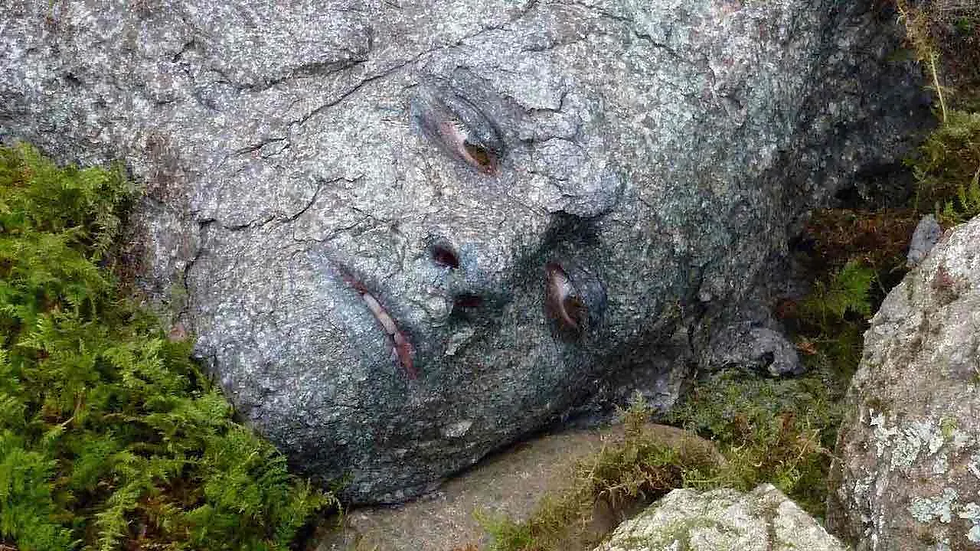
The meme itself has become an unexpected symbol of that endurance. What began as a scene many considered unintentionally ridiculous evolved into one of the internet’s most recognizable reaction images. In an era where online culture often recycles old media through irony and humor, Hutcherson’s painted face somehow became permanently embedded within digital pop culture history.
Still, beneath the jokes and viral edits lies a performance and a franchise that clearly remain emotionally significant to the actor. Even as he critiques certain creative decisions, Hutcherson speaks about Peeta with visible affection. The awkward camouflage scene may continue haunting him online, but it also represents a moment from a film series that fundamentally changed his career and connected him to millions of viewers around the world.
Now, as speculation builds around the next chapter of The Hunger Games universe, fans continue hoping Hutcherson may eventually return to Panem once again. Whether that happens or not, the actor’s legacy within the franchise already feels secure. Between Peeta’s emotional storyline, the enduring popularity of the films and the strange immortality granted by internet meme culture, Josh Hutcherson remains permanently tied to one of the most influential young adult franchises of modern cinema.



Comments