


Ironman Texas tragedy: Mara Flavia Araujo vanishes during the 2.4-mile swim, found at the bottom of the lake — pre-race health warnings raise haunting questions.
- Apr 20
- 6 min read
The world of endurance sport and social media was shaken by the tragic death of Mara Flavia Araujo, a 38-year-old Brazilian influencer and accomplished amateur triathlete, who was found dead in a lake after going missing during a gruelling Ironman competition in Texas.
Araujo was pulled from Lake Woodlands, on the outskirts of Houston, at around 9:30 a.m. on Saturday, after she disappeared during the swimming portion of the Memorial Hermann Ironman Texas event approximately two hours earlier. The swim segment, which stretches roughly 2.4 miles in open water with an average temperature of 23°C, is widely regarded as one of the most physically demanding stages of the triathlon. Despite a rapid response from rescue teams already stationed at the event, she was found at the bottom of the lake and pronounced dead at the scene.
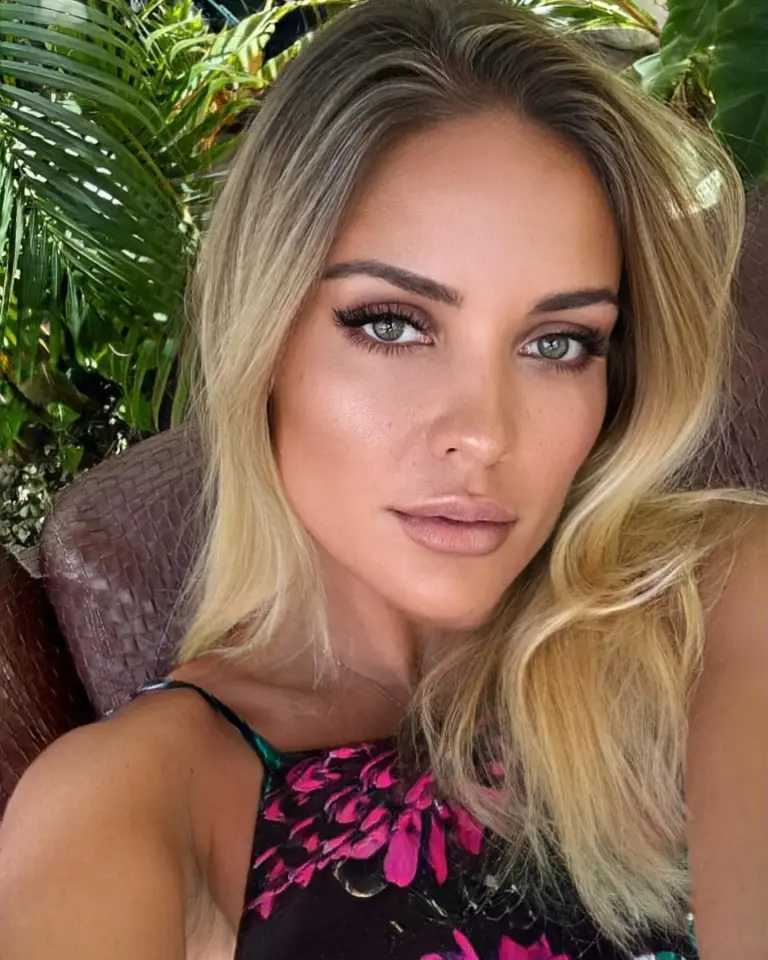
In the hours following the incident, details emerged about the sequence of events that led to the search operation. The Woodlands Fire Chief, Palmer Buck, confirmed that authorities were alerted to a “lost swimmer” at around 7:30 a.m. “We already had a rescue boat on the scene, they were out as part of the racecraft working the event,” he explained. “They let us know as we were arriving on the scene that they were searching near a buoy for a lost swimmer.” Poor visibility in the water complicated the rescue effort, necessitating the involvement of a dive team. “The victim was found in about 10 feet of water on the bottom of the lake,” Buck added. “The dive team accessed the victim, brought her up at about 9:37 a.m. and then brought her to the shore where she was pronounced deceased on the scene.”
The news of her death was confirmed by her sister, Melissa, as local authorities began investigating the circumstances surrounding the accident. While official conclusions have yet to be released, those close to Araujo have suggested that her physical condition in the days leading up to the race may have been a factor. Her friend Luis Taveira revealed concerns about her health prior to the competition. “She was ill before the trip, she wasn’t okay,” he said. “My wife and I spoke with her to say she was too weak for this race, although a couple of days ago when we talked to her, she insisted she was okay. I still cannot believe what’s happened. She was weakened because of the flu.”
Just one day before the race, Araujo had shared a snapshot of her life with her 60,000 Instagram followers, posting a photo of herself sitting poolside with the caption: “Just another day at work!” The image, now widely circulated, has taken on a poignant resonance, offering a glimpse into the mindset of an athlete who viewed sport not only as a passion but as an essential part of her identity.
Beyond the immediate tragedy, Araujo’s life tells a broader story of reinvention, resilience, and the growing intersection between athletic performance and digital influence. Born in São Paulo, she initially built her career in media as a radio presenter, a role that honed her communication skills and public persona. Known for her charismatic voice and engaging presence, she cultivated a loyal audience before gradually transitioning into the world of social media, where she chronicled her fitness journey and personal evolution.

Her transformation into a triathlete was not incidental but deeply personal. Approximately eight years ago, she revealed to her followers that she had been diagnosed with a health condition that forced her to reassess her lifestyle. Rather than retreat, she embraced endurance sports as a means of reclaiming control over her body and future. “I saw a way to be reborn, God and sport,” she once wrote, encapsulating the philosophy that would define her subsequent years.
Araujo quickly distinguished herself within Brazil’s amateur triathlon scene. Her dedication to training, often documented through meticulously curated posts and videos, earned her both admiration and credibility. She achieved notable results, including a third-place finish at the Brasília Triathlon and qualification for the Ironman 70.3 on two occasions—an accomplishment that underscores a high level of athletic competence. These milestones were frequently celebrated online, where she balanced motivational content with candid reflections on the physical and psychological demands of the sport.
In recent months, Araujo had also begun exploring new creative avenues, including a foray into DJing. Friends described this phase as one of renewed energy and experimentation, as she sought to expand her professional identity beyond fitness. The move reflected a broader trend among influencers who diversify their platforms, blending lifestyle, sport, and entertainment to maintain relevance in an increasingly competitive digital landscape.
Despite her public visibility, Araujo maintained a relatively private personal life. There is little public record of a long-term partner or marriage, and she appeared to prioritize her career and athletic pursuits. Those close to her describe a woman deeply committed to self-improvement, spirituality, and community, often mentoring newcomers in the triathlon circuit and encouraging followers to adopt healthier habits.
The triathlon community, both in Brazil and internationally, has responded to her passing with an outpouring of tributes. Many have highlighted not only her athletic achievements but also her role as a source of inspiration. In a sport defined by endurance and mental fortitude, Araujo embodied the narrative of transformation—someone who turned adversity into motivation and built a platform around perseverance.

The organizers of the Texas triathlon released a statement acknowledging the loss: “We are saddened to confirm the death of a race participant during the swim portion of today’s triathlon. We send our deepest sympathies to the family and friends of the athlete, and will offer them our support as they go through this very difficult time. Our gratitude goes out to the first responders for the assistance.” The statement, while measured, reflects the inherent risks associated with endurance events, particularly open-water swimming, which remains one of the most unpredictable disciplines.
Araujo’s death also echoes past incidents at the same event. Nine years earlier, another participant, 54-year-old Glen Bruemmer, lost his life during the swimming portion of the Houston-based race after being pulled from the water and later pronounced dead in hospital. Such occurrences, though rare, underscore the physical demands and potential dangers of triathlon competitions, even for experienced athletes
.
In examining Araujo’s legacy, it is impossible to separate her athletic pursuits from her digital influence. She belonged to a generation of спортсмены who leveraged social media not merely as a promotional tool but as an integral part of their identity. Her posts offered a curated yet authentic narrative—training sessions at dawn, reflections on discipline, moments of vulnerability—that resonated with a global audience seeking both inspiration and relatability.
At the same time, her story raises questions about the pressures faced by influencers who operate at the intersection of performance and visibility. The expectation to maintain consistency, both in competition and content creation, can blur the line between personal limits and public expectations. While there is no evidence to suggest that such pressures directly contributed to the events in Texas, they form part of the broader context in which modern athletes navigate their careers.
Friends and followers have since revisited her final posts, interpreting them through the lens of hindsight. The seemingly routine caption—“Just another day at work!”—now carries a weight that transcends its original intent, symbolizing the dedication and normalcy with which she approached a discipline that ultimately claimed her life.
As investigations continue, the focus remains on understanding the precise circumstances of her death. Whether underlying health issues, environmental factors, or a combination of elements played a role, the outcome has left a void in both her personal and professional communities.

In the end, Mara Flavia Araujo’s story is one of ambition, reinvention, and the pursuit of meaning through sport. Her journey from radio presenter to triathlete and influencer reflects a broader cultural shift in how individuals construct and share their identities. It is a narrative marked by determination and aspiration, but also by the inherent uncertainties that accompany high-performance endeavors.
Her passing serves as a reminder of the delicate balance between resilience and vulnerability, particularly in disciplines that demand both physical endurance and mental strength. For those who followed her journey, she remains a figure defined not solely by her tragic end, but by the path she carved in the years leading up to it—a path shaped by discipline, faith, and an unwavering commitment to transformation.



Comments