


“I Don’t Need Marriage” Charlize Theron Sparks Debate with Her Take on Single Life
- May 14
- 6 min read
Charlize Theron is once again going viral after opening up about why she loves being single. The Oscar-winning actress has been strikingly candid in recent interviews about valuing her independence, freedom, and the ability to live life entirely on her own terms. While several viral posts online exaggerated portions of her comments and reframed them in more provocative ways, Theron herself has consistently made one thing clear: marriage is not something she feels she needs in order to feel fulfilled.

Over the years, Theron has repeatedly spoken about building a life centered around motherhood, personal peace, and professional satisfaction rather than traditional expectations surrounding relationships. “She’s happy focusing on motherhood, her career, and enjoying life without traditional expectations,” became one of the recurring interpretations of her recent remarks, though the actress’s own tone has generally been far more reflective than confrontational. Rather than criticizing marriage itself, she appears more interested in explaining why independence has become essential to her sense of identity.
The public reaction to her comments has been immediate and deeply divided. On one side, many people praised Theron’s honesty, describing her perspective as refreshing in an entertainment culture that often frames romantic partnership as the ultimate marker of personal success. Others, however, interpreted her remarks as dismissive of conventional relationships, fueling online debates about modern dating, marriage, and evolving ideas surrounding female independence.
Part of the reason the conversation gained such momentum lies in Theron’s long-standing public image. Throughout her career, she has occupied a unique space within Hollywood: glamorous yet emotionally reserved, intensely private yet capable of remarkable openness when discussing subjects she genuinely cares about. Unlike many celebrities who carefully curate aspirational narratives about romance and family life, Theron has frequently resisted presenting her personal life through idealized conventions.
That resistance has become increasingly significant in a cultural landscape still heavily shaped by expectations surrounding women, aging, and relationships. Female celebrities, particularly those who achieve global visibility, are often subjected to persistent questions about marriage, partnerships, and domestic fulfillment in ways male stars are not. Theron’s refusal to treat marriage as an inevitable life goal therefore carries broader cultural implications beyond celebrity gossip alone.

In recent interviews, Theron’s comments appeared grounded less in bitterness or rejection and more in clarity about what currently brings her happiness. She has spoken openly about enjoying the freedom to structure her life according to her own priorities, emphasizing that emotional fulfillment can exist outside conventional romantic frameworks. The distinction is important because much of the online discourse surrounding her remarks simplified her perspective into a binary debate about being “for” or “against” relationships.
Those familiar with Theron’s career recognize that her emphasis on independence is consistent with the image she has cultivated for decades. Since emerging as one of Hollywood’s most respected actresses through films such as Monster, Mad Max: Fury Road, and Atomic Blonde, she has often gravitated toward characters defined by resilience, complexity, and emotional self-reliance. While public identity and screen roles are never identical, audiences inevitably connect aspects of her performances with the persona she projects off-screen.
Motherhood, meanwhile, appears central to how Theron defines fulfillment in her personal life. She has repeatedly described parenting as one of the most meaningful dimensions of her identity, often speaking about it with a level of emotional openness rarely seen elsewhere in her interviews. Her focus on raising her children has become a recurring theme whenever discussions about relationships emerge, reinforcing the sense that her priorities are structured around emotional stability rather than societal expectation.
The internet’s divided reaction also reflects larger generational shifts in attitudes toward marriage itself. Younger generations increasingly question traditional timelines surrounding relationships, parenthood, and domestic life, while older cultural expectations still exert influence over public conversations. Theron’s remarks therefore became symbolic for many people, representing broader tensions between conventional ideals and more individualized definitions of happiness.
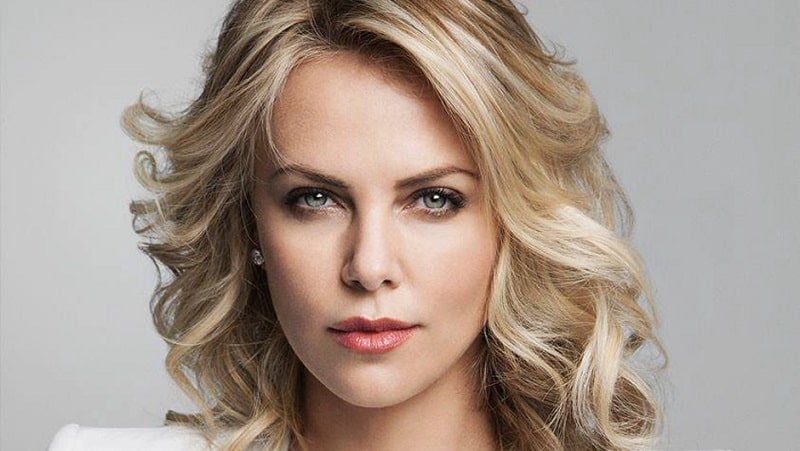
Social media inevitably intensified that divide by stripping nuance from her comments. Viral headlines often framed her perspective in exaggerated terms designed to provoke emotional reactions rather than encourage thoughtful discussion. In reality, Theron’s interviews tended to emphasize personal choice rather than universal prescription. She was speaking about her own emotional needs, not attempting to establish rules for others.
Still, celebrity culture frequently transforms personal reflections into broader ideological debates. Public figures become symbols onto which audiences project anxieties, aspirations, and frustrations regarding their own lives. Theron’s comments touched a particularly sensitive cultural nerve because they intersected with conversations about gender roles, autonomy, romantic fulfillment, and the pressure to conform to socially approved narratives.
Supporters praised the actress for articulating something many people quietly feel but rarely express publicly: that contentment does not always require romantic partnership. In cultures where marriage is often framed as both emotional and social validation, openly questioning its necessity can still provoke strong reactions. Theron’s willingness to discuss her perspective without apology resonated especially strongly among women who recognized similar pressures in their own experiences.
Critics, however, argued that public conversations celebrating singlehood sometimes risk dismissing the emotional value relationships provide for many people. This tension illustrates how discussions surrounding independence and partnership often become polarized unnecessarily, as though appreciating one automatically requires rejecting the other. Theron herself did not appear interested in creating such a conflict, yet internet discourse predictably moved in that direction.

Another reason the conversation resonated lies in Theron’s age and stage of life. Hollywood has historically imposed rigid expectations on actresses regarding beauty, romance, and domestic presentation, particularly once they move beyond their thirties and forties. Theron’s confidence in defining her life independently of those expectations challenges longstanding industry narratives about what women are supposed to prioritize as they age.
There is also something notable about the calmness with which she approaches the subject. Unlike some celebrity interviews designed to generate controversy, Theron’s comments typically lack dramatic provocation. She does not frame herself as rejecting love or emotional intimacy altogether. Instead, she seems primarily interested in preserving the autonomy and emotional balance she has built over time. That subtlety, however, often disappears once quotes circulate online detached from their original context.
The public fascination with Theron’s perspective also reflects changing ideas about success itself.
Traditional celebrity narratives once centered heavily around marriage, family images, and romantic stability as symbols of personal achievement. Increasingly, however, audiences are responding to alternative definitions of fulfillment involving independence, emotional health, friendship, parenthood, and self-determined lifestyles. Theron’s remarks align closely with that broader cultural evolution.
At the same time, her openness reveals how difficult it remains for women to discuss relationship choices publicly without becoming subjects of ideological debate. Male celebrities who describe enjoying bachelorhood are often perceived differently than women expressing similar sentiments. Theron’s comments therefore entered a cultural environment already shaped by gendered assumptions about emotional fulfillment and social responsibility.
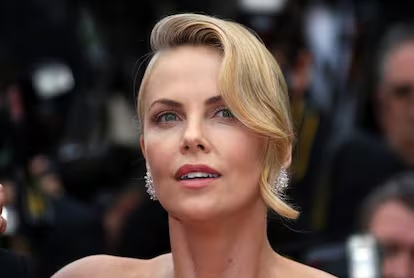
What ultimately distinguishes her perspective is the absence of defensiveness. Theron does not appear interested in convincing others to live as she does. Rather, she speaks with the confidence of someone who has spent years understanding what genuinely brings her peace. That self-assurance may explain why so many fans responded positively. In a media landscape often dominated by carefully polished perfection, emotional clarity can feel surprisingly rare.
The discussion surrounding her interviews also demonstrates how audiences increasingly seek authenticity from public figures. While celebrity culture still revolves around glamour and spectacle, many of the moments that resonate most deeply involve ordinary emotional truths: uncertainty, loneliness, fulfillment, exhaustion, or contentment. Theron’s reflections about singlehood connected precisely because they sounded personal rather than performative.
Ultimately, the reaction to Charlize Theron’s comments says as much about contemporary society as it does about the actress herself. Her perspective became a focal point for broader conversations about freedom, gender expectations, emotional independence, and evolving definitions of happiness. Some viewers interpreted her words as empowering, others as controversial, but the intensity of the response revealed how emotionally charged these subjects remain.
Through it all, Theron has largely maintained the same quiet certainty she expressed from the beginning. She appears comfortable with the life she has built, focused on her children, her work, and the freedom to define fulfillment according to her own values rather than external expectations. In a culture still deeply invested in traditional romantic narratives, that kind of confidence continues to provoke fascination, admiration, and debate in equal measure.


Comments