


Hollywood Fashion Drama: Kelly Nishimoto Accuses A-List Stars of Being “Cheap” and Preferring Free Clothes.
- Jun 26
- 5 min read
A growing conversation around celebrity fashion culture has been reignited after designer Kelly Nishimoto publicly alleged that several high-profile figures in Hollywood have attempted to obtain free clothing from her brand, framing the issue as part of a broader imbalance between emerging designers and established entertainment industry names. Her comments, made on a recent podcast appearance, quickly circulated online and sparked debate over expectations, etiquette, and the economics of celebrity styling.
Nishimoto, a fashion designer and former co-host of the television series “Something Borrowed, Something New,” described her experiences working with celebrity stylists while running her brand Cute Booty Lounge. She claimed that during periods when her business was still growing, she encountered multiple instances where well-known personalities expected complimentary garments despite their commercial success and visibility.

Among the names she referenced was Paula Abdul, whom she cited in a specific example involving wardrobe pieces loaned for a television appearance. According to Nishimoto, Abdul’s stylist initially borrowed several items for use during filming for “American Idol,” with the expectation that the garments would be returned. However, before the return process was completed, she said she received a request from the singer’s team regarding ownership of selected pieces.
Nishimoto recounted the exchange, explaining that she was told the singer would like to keep three of the items. She responded by agreeing to send an invoice, noting that the items would need to be purchased if they were to be retained. She claimed that the stylist then indicated the expectation that the pieces would be gifted instead.
“And then she was like, ‘Oh, she was hoping you would gift them to her.’ I’m like, she’s filming ‘American Idol’ for who knows how much she’s getting an episode,” Nishimoto said, emphasizing the financial disparity she perceived between her business and established television personalities.
She further described the strain on her own company at the time, stating that she was managing limited resources while supporting a small team. “I’m over here struggling, can barely pay my rent and my employee — my one employee — and my one sewing lady, and you want me to give you a thousand dollars worth of the clothes for free?” she said.

According to her account, the situation ultimately ended with the items being returned once it became clear that they would not be provided without payment. Nishimoto described the outcome as disappointing, characterizing the expectation of free products from a small business as “tacky.”
She also extended similar claims to another high-profile figure, Kate Hudson, stating that the actress’s stylist had inquired about obtaining a pair of leggings without payment. Nishimoto noted that the request came at a time when Hudson had already launched her own activewear line, Fabletics, which made the request particularly surprising to her.
“I thought, ‘Oh, well she can buy them. What would she like? And I will send over the invoice,’” Nishimoto recalled. She added that she never received a follow-up response after offering to proceed with a standard purchase arrangement.
The designer’s comments quickly gained traction on social media, where public reactions were divided. Some users defended the celebrities mentioned, arguing that such requests are typically handled by stylists rather than the public figures themselves, and that misunderstandings can arise in professional fashion lending arrangements. Others, however, expressed support for Nishimoto’s perspective, pointing to the financial pressures faced by independent designers in an industry where visibility does not always translate into profitability.

In response to the discussion, individuals within the fashion and beauty industry also weighed in. Designer Michael Costello defended Paula Abdul, stating that she had a longstanding reputation for professionalism and financial integrity in her collaborations with designers. Meanwhile, celebrity makeup artist Ernesto Casillas suggested that responsibility often lies with stylists rather than the celebrities themselves, noting that budget decisions are frequently delegated within teams.
Nishimoto also used the podcast appearance to reflect on her broader experiences as an entrepreneur in the fashion industry. Her brand, Cute Booty Lounge, became known for its playful and distinctive designs, gaining visibility through celebrity exposure and media coverage. Over the years, she built a reputation for blending humor with accessible fashion, positioning her brand within a competitive market dominated by larger luxury and athleisure companies.
Her career in entertainment extended beyond fashion design. Before focusing fully on her clothing line, Nishimoto appeared in television programming that explored style and makeovers, where she became known for her approachable personality and creative perspective. These experiences contributed to her understanding of celebrity culture and the dynamics between designers and public figures.
Despite her eventual success, Nishimoto has been open about the challenges of sustaining an independent fashion business. In recent years, she announced the closure of her brand after more than two decades in operation, describing the decision as part of a personal transition toward new priorities. She cited a desire to focus on family life and explore new creative directions, framing the closure as a reflective turning point rather than a setback.
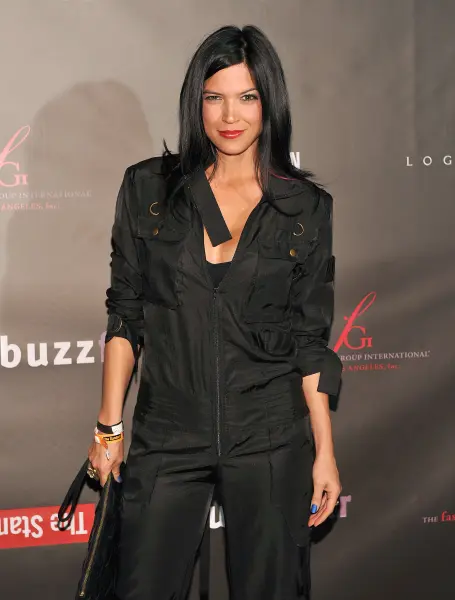
“I have new goals, new passions, and new beauties in life,” she shared at the time, emphasizing a shift in perspective after years in the industry. She also expressed gratitude for both the successes and failures she experienced throughout her career, noting that they shaped her evolution as a designer and entrepreneur.
Her recent comments about celebrity culture, therefore, come at a moment of personal transition, when she is no longer actively operating her brand but remains engaged in discussions about the industry she helped navigate for over two decades. This context has added another layer to the public response, with some interpreting her remarks as reflective of long-standing frustrations within the fashion world.
The broader issue raised by Nishimoto touches on a recurring tension in the entertainment and fashion industries: the expectation of complimentary goods in exchange for exposure. While it is common practice for designers to lend pieces to celebrities for red carpet events or media appearances, disputes can arise when items are not returned or when ownership expectations are unclear. These situations often depend on informal agreements between stylists, brands, and public figures.
Historically, emerging designers have relied on celebrity exposure to build recognition, sometimes accepting unpaid placements as a form of marketing. However, as the industry has evolved, more designers have begun pushing back against what they perceive as exploitative arrangements, particularly when working with high-profile clients who have substantial financial means.
Nishimoto’s comments highlight this shifting dynamic, reflecting a broader conversation about fairness, compensation, and respect within fashion collaborations. Her decision to speak publicly about her experiences underscores ongoing debates about how creative labor is valued in an industry heavily influenced by visibility and celebrity association.

While neither Paula Abdul nor Kate Hudson has issued public responses to Nishimoto’s specific claims, the discussion continues to circulate online, fueled by differing interpretations of standard industry practice. In the absence of formal clarification, the situation remains part of a wider cultural conversation rather than a resolved dispute.
Ultimately, the controversy reflects the complex relationships between designers and celebrities, where mutual benefit, brand promotion, and financial realities often intersect. For independent creators like Nishimoto, these interactions can represent both opportunity and tension, shaping not only business outcomes but also perceptions of fairness within the fashion ecosystem.


Comments