


Dwayne Johnson Says He’ll Keep Politics Private, Wil Wheaton Fires Back
- Jul 1
- 4 min read
Wil Wheaton has publicly criticized Dwayne Johnson after the actor announced that he would no longer share his political views publicly. The Stand By Me star’s remarks quickly drew attention, as Johnson has long been regarded as one of Hollywood’s most influential celebrities.
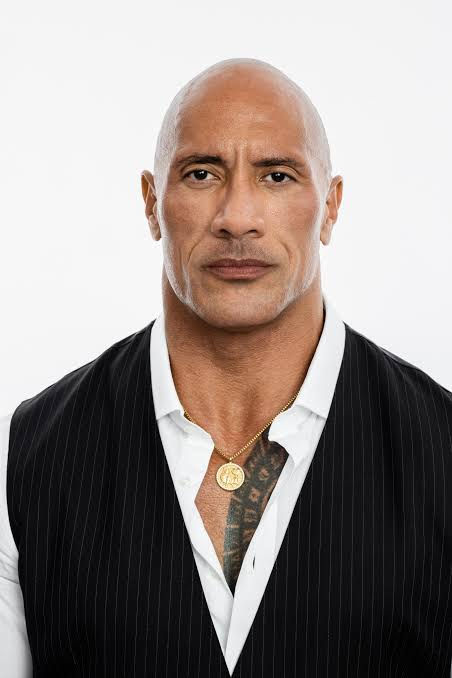
On Threads, Wil Wheaton wrote, “So disappointing to find out he is such a coward.” The comment came after Dwayne Johnson said in an interview with Esquire that he had decided to keep his political opinions private.
Wheaton’s response was posted beneath a message from George Takei. The veteran actor quoted Johnson’s Esquire interview, writing, “Dwayne ‘The Rock’ Johnson’s recent comments to Esquire about wanting to ‘keep my politics to myself’ have divided fans, with some calling out his silence.”
During his conversation with Esquire, Dwayne Johnson was asked whether avoiding political discussions was an intentional decision to appeal to the broadest possible audience for his films. The actor admitted that years of experience had changed the way he views politics and his public role.
“What I have learned through experience is that I need to keep—need, not want—the main thing the main thing. And the main thing for me, the thing that in the morning I swing my legs out of bed and I run towards, is creating. It’s art. It’s storytelling.”
Johnson explained that he does not want his political beliefs to overshadow the creative work he is passionate about. According to the actor, audiences come to his films because of the stories being told, not because of the political opinions of the people behind them.

“I’ve learned I’m going to keep my politics to myself. There are moments when, hey, there’s nothing we can’t talk about. If I’m wrong, I’ll tell you I’m wrong. Or if I feel like I got a leg up and this is the right way to go, I’ll share it with you.”
The actor also spoke candidly about his frustration with today’s political climate. “Politics is omnipresent and it’s forever. I don’t like it. I hate it at times. I hate the slinging. I hate all the bulls— that comes with it.”
When asked about Bruce Springsteen’s criticism of President Donald Trump during his concerts, Johnson suggested that people with opposing political views should have direct conversations instead of publicly attacking one another.
“When I hear you talk about Springsteen, who I love, and this idea that he’s speaking directly to Trump in his concerts, my first thought as you were telling me that, in my head, I went, ‘Oh, then why don’t they talk?’ They should sit down and talk. I don’t know where that goes, but I do know that’s an important step.”
This is not the first time Dwayne Johnson has changed his approach to politics. During the 2020 U.S. presidential election, he publicly endorsed Joe Biden and Kamala Harris, saying he believed it was the right decision at the time.
However, ahead of the 2024 election, Johnson told Fox News that he regretted publicly endorsing a political candidate. According to the actor, the decision ultimately produced consequences he never intended.
“The endorsement that I made years ago with Biden was one I thought was the best decision for me at that time. And I thought back then, when we talk about, ‘Hey, you know, I’m in this position where I have some influence and it’s my job then… to exercise my influence and share… this is who I’m going to endorse.’”

Johnson continued, “Am I gonna do that again this year? That answer is no, I’m not gonna do that, because what I realized—what that caused back then—was something that tears me up in my guts, back then and now, which is division. And that got me. The takeaway after that, months and months and months, I started to realize, like, ‘Oh man, that caused an incredible amount of division in our country.’”
Johnson’s latest comments have sparked mixed reactions across social media. Some people agree that celebrities should focus on their creative work rather than political debates, while others argue that public figures with significant influence have a responsibility to speak out on important political and social issues.
Wil Wheaton, meanwhile, has long been recognized as one of Hollywood’s most outspoken political voices. Best known for his roles in Stand By Me and Star Trek: The Next Generation, he has repeatedly criticized President Donald Trump and actively campaigned for Kamala Harris during the 2024 presidential election. As a result, Johnson’s remarks prompted a particularly strong response from Wheaton and many others who share similar views.
As for Dwayne Johnson, he remains one of Hollywood’s biggest global stars. After rising to fame as WWE superstar “The Rock,” he successfully transitioned into acting and became one of the industry’s most reliable box office draws through films such as Fast & Furious, Jumanji, Moana, Black Adam, Jungle Cruise, and most recently, The Smashing Machine.

Beyond acting, Johnson has built an impressive business empire with ventures spanning beverages, apparel, sports, and media. He consistently ranks among the world’s highest-paid actors and commands one of the largest followings across social media platforms.
Throughout the years, Johnson has cultivated a positive public image through charitable work, motivational messages, and his personal story of overcoming adversity to achieve success. Because of that reputation, virtually every public statement he makes—especially on political or social matters—receives widespread media attention.
Although this latest controversy highlights the ongoing debate over whether celebrities should publicly express their political beliefs, Dwayne Johnson has maintained that his primary focus will remain on art and storytelling. Wil Wheaton, on the other hand, believes that choosing to remain silent on political issues is disappointing for someone with Johnson’s level of influence. Their differing perspectives once again reflect Hollywood’s long-running conversation over whether public figures should use their platforms for political advocacy or keep their personal beliefs private.


Comments