


Cannes 2026 shocks with unprecedented strict rules imposed on Hollywood stars.
- May 14
- 5 min read
The 2026 Cannes Film Festival has once again become one of the most closely watched cultural events in the world, not only for its cinematic premieres but also for the fashion statements made along the red carpet. Yet behind the glamour and spectacle lies a carefully enforced set of rules governing what guests can and cannot wear. This year, the festival reaffirmed its increasingly strict dress code, continuing policies first emphasized the previous year and sending a clear message that certain fashion trends will no longer be tolerated at one of cinema’s most prestigious gatherings.
The festival’s official guidelines specify that evening screenings at the famed Grand Théâtre Lumière—particularly those scheduled around 7 p.m. and 10 p.m.—require formal attire. Women attending these screenings are expected to wear long gowns, cocktail dresses, or elegant black dresses, while men are encouraged to appear in tuxedos or dark formal suits accompanied by a bow tie or dark-colored tie. Organizers also noted that dark-colored pantsuits and dressy tops paired with black trousers are considered acceptable alternatives.
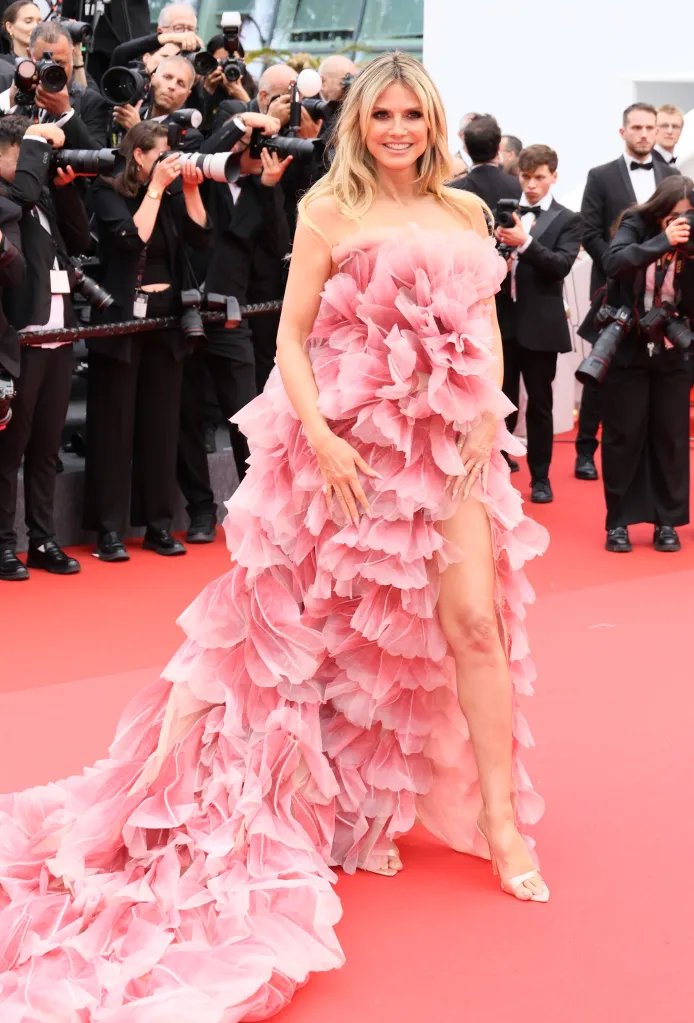
However, despite allowing some flexibility, the festival has maintained one of its most discussed restrictions: the prohibition of “naked dressing,” a trend that has dominated global celebrity fashion over the last several years. According to the festival’s guidelines, “For decency reasons, nudity is prohibited on the Red Carpet, as well as in any other area of the Festival.” The wording effectively reinforces the policy introduced the year before, when organizers clarified that the regulation reflected “certain rules that have long been in effect.”
Festival representatives previously explained that the intention was not necessarily to regulate style itself, but rather to maintain standards consistent with French law and the image of the event. Nevertheless, the decision reignited ongoing debates within fashion and entertainment circles about artistic freedom, celebrity self-expression, and the evolving relationship between fashion and public spectacle.
Another major restriction involves oversized couture pieces and dramatic gowns featuring extremely long trains. The festival stated that “Voluminous outfits, in particular those with a large train, that hinder the proper flow of traffic of guests and complicate seating in the theater are not permitted.” The policy appears aimed at preserving logistical efficiency during crowded screenings, where hundreds of guests, photographers, and staff members move through tightly coordinated spaces within the Palais des Festivals.
Footwear regulations have also become more defined in recent years. While elegant sandals and formal shoes are permitted, whether flat or high-heeled, sneakers remain banned from the official screenings at the Grand Théâtre Lumière. Large bags and backpacks are similarly prohibited, reinforcing the event’s increasingly formal and curated atmosphere.
Festival organizers have made clear that these rules are not symbolic recommendations but actively enforced policies. According to the official guidelines, welcoming teams “will be obligated to prohibit Red Carpet access to anyone not respecting these rules.” This warning has added another layer of scrutiny to celebrity fashion choices, transforming each appearance into a balancing act between personal style and institutional expectations.

The renewed dress code debate arrives during an era in which celebrity fashion has become inseparable from digital culture. Red carpet appearances are no longer limited to photographers and magazine coverage; they are now dissected instantly across social media platforms, where every outfit can become a viral topic within minutes. Events such as Cannes have therefore evolved into global fashion battlegrounds where questions of glamour, controversy, branding, and identity intersect.
In recent years, the “naked dress” trend has become especially dominant among celebrities seeking viral attention. Figures such as Bella Hadid, Irina Shayk, and numerous other high-profile personalities have popularized sheer fabrics, transparent silhouettes, and strategically revealing couture pieces on international red carpets. Cannes itself played a significant role in amplifying that trend over the past decade.
Bella Hadid, in particular, became closely associated with daring Cannes fashion moments after several headline-making appearances that blurred the line between haute couture and provocative styling. Her outfits frequently generated international discussion, often overshadowing the films themselves. As a result, many observers interpreted Cannes’ stricter policies as a direct response to the increasingly sensational nature of celebrity red carpet fashion.
At the same time, other public figures attending Cannes have embraced more traditional elegance in line with the festival’s cinematic heritage. Amal Clooney, for example, has repeatedly drawn praise for sophisticated and restrained couture choices that emphasize classic Hollywood glamour over shock value. Her appearances often reflect the festival’s older traditions, where refinement and discretion were once considered essential elements of red carpet presentation.

Similarly, Heidi Klum has long been associated with extravagant fashion statements at global events, including Cannes. Her evolving style over the years illustrates how celebrity fashion culture has shifted toward increasingly theatrical and attention-driven aesthetics, even within traditionally conservative spaces.
The Cannes Film Festival itself has always maintained a complex relationship with fashion. Founded in 1946, the festival initially positioned itself primarily as a celebration of international cinema and artistic prestige. Over time, however, luxury brands, jewelry houses, and couture designers transformed Cannes into one of the most commercially influential fashion showcases in the world. Today, major fashion labels compete intensely to dress celebrities attending premieres, knowing that a single viral photograph from Cannes can shape global trends.
This commercial dimension has inevitably contributed to the rise of increasingly provocative red carpet fashion. In an era dominated by algorithms and online engagement, celebrities and stylists often prioritize visibility over subtlety. A controversial outfit can generate millions of impressions online, boosting both personal branding and fashion house exposure. Cannes’ stricter rules therefore reflect a broader institutional attempt to reclaim control over the festival’s image.
The debate surrounding these regulations also highlights deeper cultural tensions between traditional European notions of elegance and the more provocative aesthetics often associated with contemporary celebrity culture. French institutions, particularly those connected to cinema and high culture, have historically favored formality and refinement. The Cannes guidelines appear designed to preserve that identity amid rapidly changing global fashion norms.

Despite the restrictions, the festival remains one of the most influential style platforms in the world. Designers continue to view Cannes as an unparalleled opportunity for visibility, while celebrities recognize its power to shape public perception and career narratives. Even controversies surrounding dress code violations often generate additional media attention, reinforcing the festival’s relevance in modern entertainment culture.
Beyond the fashion discourse, Cannes continues to occupy a central role within the film industry itself. Every year, the event attracts major directors, actors, producers, and international media organizations. Winning recognition at Cannes can significantly elevate a filmmaker’s global reputation, while premieres at the festival frequently influence awards-season conversations.
Yet in the age of social media, red carpet imagery often rivals the films themselves in cultural impact. The tension between artistic celebration and celebrity spectacle has become one of Cannes’ defining characteristics. Organizers now face the ongoing challenge of preserving cinematic prestige while accommodating the realities of modern entertainment culture.

As the 2026 Cannes Film Festival unfolds, the renewed dress code rules ensure that fashion remains central to public discussion. Whether viewed as necessary standards or restrictive limitations, the policies have once again positioned Cannes at the center of broader debates about celebrity culture, artistic freedom, luxury branding, and the evolving boundaries of public image in the digital era.



Comments