


Behind Blake Lively's sizzling thirst-trap photo lies a shocking legal battle that has rocked Hollywood!
- May 29
- 7 min read
Behind the heavily manicured facade of Hollywood power couples, few pairings navigate the delicate balance between public playfulness and high-stakes drama as smoothly as Blake Lively and Ryan Reynolds. Recently, the 38-year-old actress took to her Instagram Stories to playfully fawn over her husband’s impressively sculpted physique, sharing a sun-drenched outdoor selfie of the couple. In the original image, Reynolds is seen holding a vibrant plate of fresh cookies and raspberries, prompting Lively to scrawl the word "delicious" across the screen while tagging his official handle. Far from stopping at a simple shared moment, the actress quickly followed up with a sequence of comedic close-ups, zooming in first on the baked goods before systematically magnifying Reynolds’ bulging biceps, which were prominently displayed beneath a fitted white tank top. To ensure her lighthearted admiration was unmistakable, Lively cleverly soundtracked the muscular close-ups with a nostalgic and suggestive musical pairing, blending the Ohio Express’s 1968 classic "Yummy Yummy Yummy" with Justin Bieber’s 2020 pop hit "Yummy."

This public display of marital affection serves as a vibrant contrast to the immense legal and professional pressures the couple has quietly weathered behind closed doors over the past year. Reynolds, 49, has remained an unwavering pillar of emotional and strategic support for his wife throughout her intensely publicized, grueling legal battle with her It Ends With Us director and co-star, Justin Baldoni. The high-profile dispute, which sent shockwaves through the film industry, reached a quiet settlement earlier this month, marking the end of a deeply contentious chapter that threatened to overshadow Lively's cinematic achievements. The resolution came just weeks after a presiding judge drastically weakened Lively's legal positioning by throwing out ten of her thirteen structural claims against Baldoni, which had included severe allegations of sexual harassment, defamation, and corporate conspiracy. Demonstrating a calculated lack of concern for the legal setback, Reynolds had posted a carefree, smiling selfie with his wife just two days after the shocking settlement, signaling to the industry that their united front remained entirely unbroken.
The unbothered nature of their current public output is characteristic of a marriage that has successfully commodified domestic bliss since September 2012. Together, Lively and Reynolds share four young children: daughters James, Inez, and Betty, alongside their youngest son, Olin. Reynolds has never been shy about publicly documenting his reverence for his wife, a trait that was put on full display during a recent Mother’s Day tribute shared with his millions of Instagram followers. In the emotional post, the Deadpool actor wrote, "I appreciate this mother beyond measure," before adding that "She is kind. She is fearless. She’s the absolute love of my life." This masterful blending of deep romantic sincerity and self-deprecating humor has allowed the couple to build an incredibly lucrative, highly protected family brand that stands as an anomaly in a town defined by volatile relationships and fleeting unions.
To understand the structural resilience of Blake Lively’s career and her current position within the Hollywood elite, one must trace her trajectory back to the wealthy enclaves of the Tarzana neighborhood in Los Angeles. Born into a working entertainment family—her father an actor and director, her mother a talent scout—Lively was uniquely positioned to understand the mechanics of fame long before she stepped in front of a camera. Her breakout role arrived in the 2005 coming-of-age drama The Sisterhood of the Traveling Pants, where her natural charisma and sun-kissed aesthetic immediately caught the attention of studio executives. However, it was her casting as the enigmatic, glamorous Serena van der Woodsen in the CW’s hit teen drama Gossip Girl in 2007 that permanently altered her career trajectory, transforming her from a working actress into an international style icon and cultural touchstone for a generation of viewers.
During the multi-year run of Gossip Girl, Lively’s personal life became heavily entangled with the demanding machinery of the tabloid industry. Her highly publicized off-screen romance with her co-star Penn Badgley mirrored the tumultuous on-screen dynamics of their characters, creating an insatiable media frenzy that the show's producers actively utilized to drive viewership. When that relationship naturally ran its course, Lively executed a brief, highly scrutinized romantic pivot, dating Hollywood heavyweight Leonardo DiCaprio in 2011. The whirlwind romance, documented by paparazzi across luxury yachts in Europe, elevated her profile from a television star to a legitimate fixture of the global A-list, establishing her ability to capture the attention of the world’s most powerful industry players before she ultimately found lasting stability with Reynolds on the set of the ill-fated superhero film Green Lantern.

As her television tenure concluded, Lively meticulously transitioned into feature films, deliberately choosing roles that challenged her pristine, upper-east-side image. She earned critical acclaim for her gritty performance as a drug-addicted mother in Ben Affleck's crime drama The Town, proving to skeptics that her dramatic capabilities extended far beyond teenage melodrama. She later anchored the romantic fantasy The Age of Adaline, delivering a nuanced, understated performance that highlighted her old-Hollywood screen presence, and successfully carried the minimalist survival thriller The Shallows, a box-office success that relied entirely on her physical stamina and solo acting prowess. This calculated diversification of her cinematic portfolio ensured that she remained a bankable leading lady, capable of driving theatrical revenue independently of her husband's massive star power.
Simultaneously, Ryan Reynolds was navigating his own complex journey through the Hollywood studio system, transitioning from a charismatic romantic lead into one of the most powerful producers and marketing visionaries in modern entertainment. Born in Vancouver, Canada, Reynolds spent his early career navigating mid-budget comedies and television sitcoms, frequently stifled by a system that struggled to properly utilize his rapid-fire delivery and subversive wit. His early marriage to global superstar Scarlett Johansson in 2008 was characterized by extreme privacy, with the couple fiercely guarding their domestic life from the press—a stark contrast to his current public transparency with Lively. The marriage ultimately dissolved in 2010 under the weight of competing, high-velocity careers, providing Reynolds with critical insights into the unique pressures of navigating a high-profile Hollywood union.
The true turning point in Reynolds' professional life occurred when he spent over a decade relentlessly campaigning to bring a comic-book-accurate version of Deadpool to the silver screen. When the R-rated superhero film was finally released in 2016, it disrupted the entire industry model, grossing over $780 million worldwide and rewriting the rules of theatrical marketing. Reynolds didn't merely star in the franchise; he meticulously co-wrote and produced the films, using the platform to launch a multi-billion dollar corporate empire. Through his creative agency, Maximum Effort, and savvy investments in corporate entities like Aviation American Gin and Mint Mobile, Reynolds transformed himself into a corporate titan, culminating in the historic multi-billion dollar sale of Mint Mobile to T-Mobile—a transaction that solidified his status as one of the wealthiest figures in modern show business.
However, the immense cultural and financial influence wielded by Lively and Reynolds has not insulated them from significant public backlash and modern socio-political scrutiny. In 2020, the couple faced a massive wave of public criticism when a modern re-examination of their 2012 wedding highlighted that the ceremony had taken place at Boone Hall Plantation in South Carolina, a historic site where enslaved human beings had suffered. The subsequent public outcry forced the couple to confront the historical insensitivity of their venue choice, leading to a profound, public apology from Reynolds, who characterized the decision as a deeply painful mistake that they would regret for the rest of their lives. In the wake of the controversy, the couple executed a massive, sustained philanthropic pivot, donating millions of dollars to civil rights organizations and historical education funds in an effort to meaningfully address the systemic issues raised by their past actions.

The plantation wedding controversy was not the only instance where Lively’s public image faced significant erosion. During the promotional campaign for the film adaptation of Colleen Hoover’s bestselling novel It Ends With Us, Lively was subjected to intense criticism across digital platforms for her perceived tone-deafness regarding the movie's central theme of domestic violence. Critics and fans pointed out that while her director and co-star, Justin Baldoni, focused his press junkets on raising awareness for victims of abuse, Lively frequently utilized her promotional interviews to market her newly launched haircare line and encourage viewers to "wear their florals" to theaters. This stark contrast in promotional strategies ignited widespread rumors of an intense, toxic rift behind the scenes, a narrative that intensified when it was revealed that Lively had enlisted her husband to completely rewrite pivotal scenes in the film, a move that allegedly marginalized Baldoni's creative control.
The creative and personal friction between Lively and Baldoni rapidly escalated into a full-scale legal war, culminating in the explosive lawsuits that dominated trade publications for months. The litigation exposed the deeply fragmented nature of the production, with Lively accusing Baldoni of fostering a hostile work environment and engaging in behavior that bordered on professional misconduct. Baldoni countered with powerful counterclaims of defamation and a coordinated smear campaign designed to strip him of his contractual rights as a creator. The legal battle became a proxy war for creative dominance, testing the limits of Lively and Reynolds’ combined industry clout against established studio structures. While the recent settlement has legally resolved the dispute, the public relations fallout required the couple to carefully recalibrate their media output, relying on their trademark humor to distract from the lingering industrial skepticism.
To survive these recurring cycles of controversy and maintain their status as Hollywood royalty, Lively has increasingly focused her energies on building an independent entrepreneurial portfolio that mirrors her husband's corporate success. In 2021, she launched Betty Buzz, a premium line of non-alcoholic sparkling mixers, directly capitalizing on the growing consumer demand for clean ingredients and sober-curious lifestyles. Managing every aspect of the brand's creative direction and marketing strategies, Lively seamlessly integrated the business into her public persona, frequently appearing in high-concept digital advertisements alongside Reynolds. This diversification into the beverage and beauty industries has allowed Lively to insulate her personal wealth and cultural relevance from the unpredictable shifts of the theatrical box office, ensuring her long-term stability as an independent business mogul.
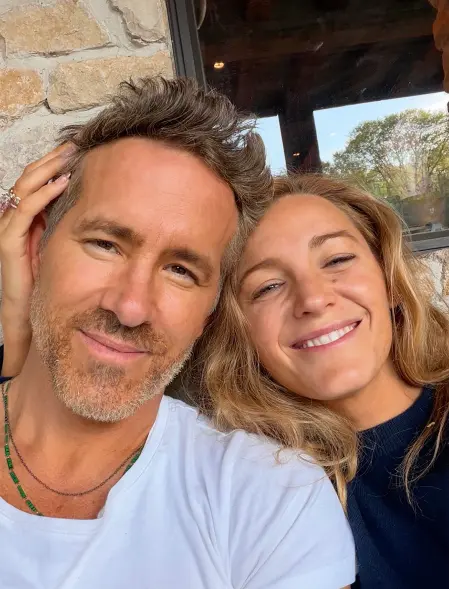
As the dust permanently settles on the It Ends With Us legal saga, the enduring partnership between Blake Lively and Ryan Reynolds remains one of the most fascinating studies in modern celebrity survival. Their ability to transition seamlessly from the tense rooms of corporate settlement meetings to the lighthearted arena of Instagram flirtation is a testament to their sophisticated understanding of contemporary media dynamics. By framing their relationship through a lens of relatable, humorous romance—as evidenced by Lively's recent public thirsting over her husband's physique—they effectively neutralize negative press and maintain a deeply loyal global fanbase. For this Hollywood powerhouse, the public projection of joy is not merely a reflection of their personal life; it is the ultimate shield and engine of an indestructible global brand.


Comments