


Backlash Didn’t Stop Her Billie Eilish Doubles Down with Graphic Message to 125M Followers
- May 15
- 6 min read
Billie Eilish once again found herself at the center of intense online debate after doubling down on her outspoken stance regarding animal rights and the meat industry. After facing backlash for saying that people cannot both eat meat and claim to love animals, the singer responded not with clarification or softened messaging, but with a far more confrontational gesture: sharing graphic slaughterhouse footage to her audience of more than 125 million followers alongside a blunt message directed at critics. “Stay f–king mad at ME … i really don't give a goddamn f–k,” she wrote, making it unmistakably clear that she had no intention of retreating from the conversation.
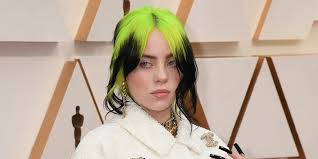
The disturbing clips reportedly included scenes tied to industrial farming and slaughterhouse operations: calves being kicked and thrown into trucks, pigs dragged across slaughterhouse floors, and footage intended to expose what animal rights activists describe as the hidden realities behind meat and dairy production. The material immediately reignited debate surrounding celebrity activism, ethical consumption, online responsibility, and the role public figures play in influencing social behavior through their platforms.
For supporters of Eilish, the decision represented an unusually uncompromising act in an entertainment industry where many celebrities prefer carefully managed advocacy that avoids alienating audiences or sponsors. They argued that most public figures with massive global audiences tend to discuss sustainability in vague, commercially safe language, aligning themselves with environmentally conscious branding while avoiding imagery or rhetoric that might provoke genuine discomfort. Billie Eilish, however, appeared willing to risk backlash in order to confront followers directly with imagery she believes reflects systemic cruelty within industrial food systems.
Critics, meanwhile, questioned both the tone and method of her activism. Some argued that graphic content distributed to millions of followers, including younger fans, crossed a line between awareness and shock tactics. Others viewed the language directed toward critics as unnecessarily aggressive, suggesting that moral persuasion becomes less effective when accompanied by hostility or contempt. Yet even among those uncomfortable with her delivery, many acknowledged that Eilish succeeded in forcing attention toward an issue audiences often prefer to avoid examining closely.
The intensity of the reaction reflects Billie Eilish’s unusual position within modern pop culture. Since emerging as one of the defining artists of her generation, she has consistently occupied a space where music, identity, activism, and internet culture intersect simultaneously. Unlike celebrities who maintain careful separation between entertainment and political or ethical beliefs, Eilish has frequently integrated personal convictions into her public persona, whether discussing climate concerns, body image, mental health, or animal rights.

Animal advocacy in particular has remained a long-standing part of her identity. Eilish has openly spoken for years about being vegan and about her discomfort with industrial farming practices. Her advocacy has extended beyond interviews into practical decisions connected to touring, merchandising, and event partnerships. Reports that some venues retained plant-based food initiatives introduced during her world tour became, for supporters, evidence that celebrity influence can occasionally create tangible behavioral change rather than existing purely at the level of social media symbolism.
The controversy surrounding her slaughterhouse posts also highlights a broader shift in how younger celebrities approach activism. Previous generations of major pop stars often relied heavily on carefully controlled publicity structures designed to minimize controversy. Today, many younger artists operate within digital ecosystems where emotional immediacy and authenticity are valued more highly than polished neutrality. Eilish’s willingness to post emotionally provocative material directly to her audience aligns with that cultural shift, even if it risks backlash.
At the same time, the situation demonstrates how difficult it has become for public figures to engage in advocacy without immediately entering polarized online discourse. Discussions surrounding food ethics, veganism, environmental responsibility, and industrial agriculture are deeply emotional because they intersect with personal habits, cultural traditions, economic realities, and moral identity. Statements about meat consumption rarely remain simple lifestyle commentary; they quickly evolve into broader debates about morality, class, personal freedom, and social judgment.
Eilish’s critics often framed her comments as overly absolutist, arguing that reducing compassion for animals to dietary choices oversimplifies complex realities surrounding food systems and human behavior. Many people who care deeply about animals still consume meat, whether because of cultural upbringing, accessibility, economic factors, or personal preference. From that perspective, her statement appeared less like advocacy and more like moral condemnation.

Supporters, however, countered that discomfort is precisely the point of effective activism. They argued that social change historically emerges not from carefully neutral messaging but from people willing to confront audiences with uncomfortable truths. In their view, Billie Eilish’s refusal to soften graphic realities reflects a belief that emotional discomfort is necessary for ethical awareness. The slaughterhouse footage therefore functioned not merely as provocation, but as an attempt to collapse the emotional distance consumers often maintain between food products and industrial production processes.
The conversation also revealed the unique pressures attached to celebrity activism in the age of social media. Public figures today are often expected to use their influence responsibly, yet any strong position risks immediate backlash from opposing perspectives. Celebrities who remain silent on social issues are criticized for lacking conviction, while those who speak forcefully are accused of hypocrisy, self-righteousness, or performative behavior. Navigating that environment requires balancing authenticity with the realities of mass public visibility.
Eilish’s willingness to risk controversy may also stem partly from the relative autonomy she has maintained throughout her career. Unlike artists heavily dependent on corporate image management, she and her brother Finneas O'Connell built much of their success through an unusually personal and creatively controlled approach to music-making. That independence has contributed to her reputation as someone less constrained by traditional celebrity expectations.
Still, the backlash illustrates how emotionally charged discussions surrounding consumption and ethics have become online. Food choices are deeply personal for many people, shaped not only by morality but by culture, family tradition, geography, economics, and identity. When celebrities speak about such topics in absolute terms, audiences often interpret the comments not as abstract ethical arguments but as direct judgments about their own lives.
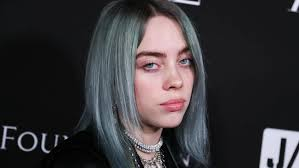
The graphic nature of the footage further intensified reactions because visual imagery bypasses intellectual distance. Discussions about industrial farming often remain abstract until audiences confront actual images of animal treatment. Supporters of animal rights activism argue that such visibility is necessary precisely because industrial systems depend on emotional invisibility. Critics, however, question whether distributing traumatic imagery to massive audiences through entertainment-driven platforms constitutes responsible advocacy.
There is also a generational aspect to the conversation. Younger audiences increasingly expect artists to express clear values rather than maintain apolitical neutrality. Billie Eilish’s fanbase, particularly younger listeners, often embraces emotional directness and activism as part of artistic authenticity. Yet that same openness also creates environments where artists become symbols within larger cultural conflicts extending far beyond music itself.
The entertainment industry’s relationship with sustainability and ethical branding adds another layer to the discussion. As climate concerns and environmental awareness have grown, many celebrities and corporations have adopted eco-conscious messaging. Critics sometimes argue that such advocacy remains superficial, designed primarily for public relations purposes. Supporters of Eilish therefore viewed her willingness to share genuinely disturbing material as evidence that her activism extends beyond branding into actual conviction.
At the same time, the tone of her message toward critics revealed the exhaustion many public figures experience within perpetual online scrutiny. Social media creates environments where celebrities receive constant feedback, criticism, and hostility regardless of their actions. Eilish’s blunt response suggested less interest in persuading everyone than in asserting emotional certainty about her beliefs despite inevitable backlash.
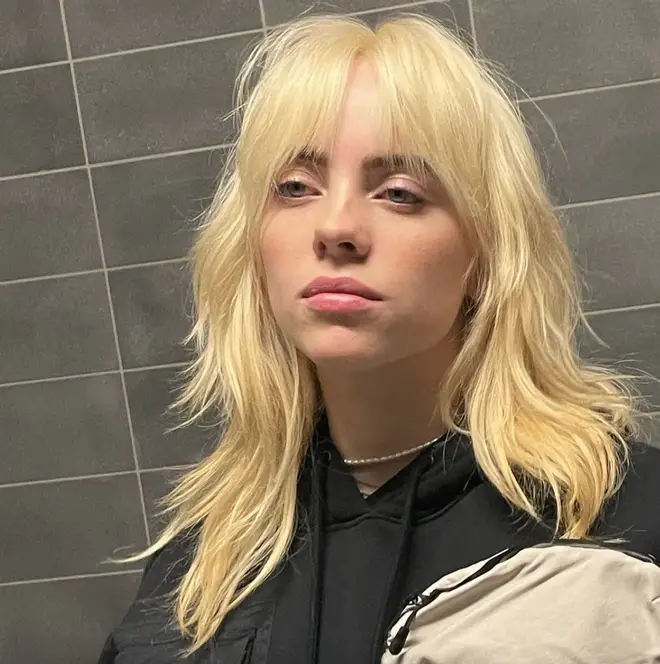
The broader cultural significance of the controversy lies in how it reflects evolving expectations surrounding fame itself. Modern celebrities are no longer viewed solely as entertainers. They are expected to function simultaneously as artists, activists, influencers, entrepreneurs, and moral figures. Every statement therefore becomes layered with political and ethical implications, whether intentionally or not.
For Billie Eilish, the situation reinforced an image she has cultivated for years: an artist unwilling to fully separate personal convictions from public identity. Whether audiences agree with her methods or not, she continues to project a form of celebrity rooted more in emotional transparency and confrontation than in universal likability. That approach inevitably produces polarization, but it also explains why her voice remains culturally influential.
Ultimately, the reaction surrounding Billie Eilish’s slaughterhouse posts reveals the increasingly blurred boundaries between entertainment, activism, and public morality in digital culture. What began as a celebrity defending her beliefs quickly evolved into a much larger conversation about ethics, influence, personal responsibility, and the role public figures should play in shaping social discourse. Beneath the outrage, praise, and viral debate remains a more complicated reality: audiences today often demand authenticity from celebrities, but authentic conviction rarely arrives without controversy attached to it.



Comments