


Alec Baldwin publicly clashes with Elon Musk after his explosive comments about Lupita Nyong’o’s beauty in The Odyssey.
- May 19
- 7 min read
Alec Baldwin publicly defended Lupita Nyong’o after Elon Musk criticized her casting as Helen of Troy in The Odyssey, reigniting a broader cultural debate about race, beauty, representation and Hollywood’s evolving approach to classic mythology. What initially began as online backlash against director Christopher Nolan quickly escalated into another polarizing celebrity controversy involving social media politics, identity and the entertainment industry’s shifting standards.
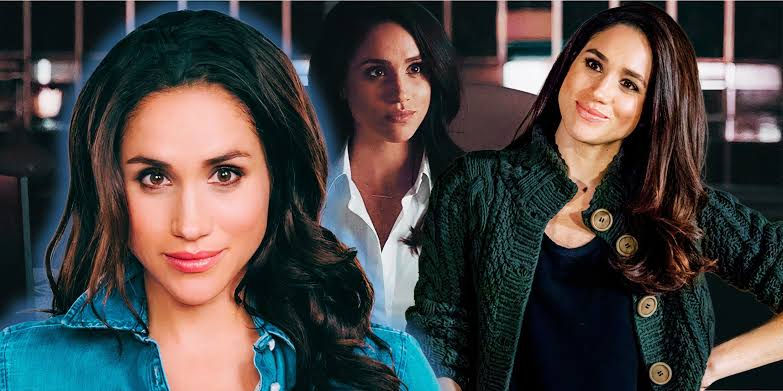
Baldwin addressed the controversy directly through Instagram, posting a photograph of Nyong’o alongside a short but pointed message aimed at Musk. “Dear Elon… but she IS the most beautiful woman in the world… Alec,” the actor wrote. Though brief, the post immediately drew attention because of Baldwin’s increasingly outspoken presence online and Musk’s long-running tendency to involve himself in culture-war debates surrounding film casting, gender and diversity.

The dispute began after conservative commentator Matt Walsh criticized Nyong’o’s casting in Nolan’s forthcoming adaptation of “The Odyssey.” Referring to Helen of Troy — the mythological figure whose beauty famously sparked the Trojan War — Walsh argued that the casting reflected political correctness rather than artistic interpretation. “Not one person on the planet actually thinks that Lupita Nyong’o is ‘the most beautiful woman in the world,’” he wrote on X. He continued by accusing Nolan of fearing accusations of racism if the role had instead gone to a white actress. “Nolan is technically talented but a coward. Too afraid to do anything that even slightly challenges the spirit of the age,” Walsh added.
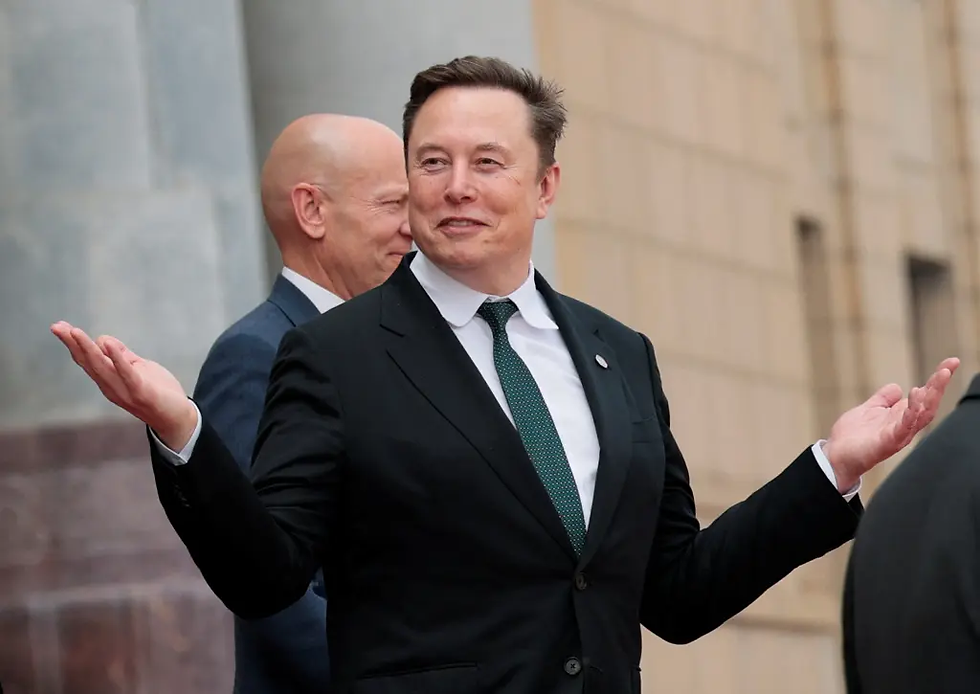
Musk soon amplified the criticism by replying, “True.” When another user questioned why Nolan and other filmmakers were “race swapping” traditionally white characters, the billionaire responded, “He wants the awards.” Musk later claimed the Oscar-winning director had “lost his integrity” by casting Nyong’o in the role, transforming what may have remained a niche online argument into a globally discussed controversy.
The backlash intensified further because “The Odyssey” had already been the subject of heated online discussion weeks before Nyong’o’s casting became controversial. Earlier reports suggested that Elliot Page, who is transgender, had been cast as Achilles. Musk reacted furiously to the rumor, calling the idea “one of the dumbest and twisted things I’ve ever heard.” Although it was later clarified that Page would actually portray Elpenor rather than Achilles, Musk continued engaging with critical posts about the casting and reposted a message reading, “I’m not mocking her masculinity. I’m denying its existence.”
The comments once again placed Musk at the center of debates involving gender identity and representation in entertainment. The billionaire’s relationship with transgender issues has remained highly controversial in recent years, particularly because of his estrangement from his transgender daughter, Vivian Jenna Wilson. Musk has repeatedly criticized what he describes as “woke ideology,” especially in Hollywood and major media institutions, positioning himself as a vocal opponent of progressive cultural trends. Supporters see him as someone willing to challenge dominant narratives, while critics argue that his online interventions frequently amplify hostility toward marginalized communities.
Christopher Nolan, meanwhile, has largely avoided engaging directly with the controversy, maintaining his longstanding preference for letting his work speak publicly on his behalf. Yet the acclaimed filmmaker has still faced criticism over several casting decisions tied to the project. In addition to Nyong’o and Elliot Page, Nolan’s decision to cast rapper Travis Scott also sparked debate online. Critics questioned the inclusion of the “Sicko Mode” performer in a mythological epic, while supporters praised Nolan’s willingness to reinterpret classical storytelling through contemporary cultural figures.

The director defended Scott’s casting by explaining that he wanted to “nod towards the idea that this story has been handed down as oral poetry, which is analogous to rap.” The comment reflected Nolan’s broader interest in connecting ancient storytelling traditions with modern artistic expression. Throughout his career, Nolan has repeatedly reimagined familiar narratives through unconventional casting and ambitious conceptual frameworks, whether in Oppenheimer, Interstellar or The Dark Knight trilogy.
At the center of the current controversy, however, remains Lupita Nyong’o herself — an actress whose career has consistently challenged conventional Hollywood standards of beauty and stardom. Born in Mexico City to Kenyan parents and raised primarily in Kenya, Nyong’o rose to global prominence after her devastating performance in 12 Years a Slave, which earned her the Academy Award for Best Supporting Actress. From the beginning of her rise to fame, Nyong’o became associated not only with critical acclaim but also with broader discussions about race, colorism and representation in fashion and entertainment.
In interviews over the years, Nyong’o has spoken openly about growing up rarely seeing dark-skinned women celebrated in mainstream beauty culture. Her success in Hollywood gradually transformed her into an international symbol of elegance and representation. Fashion houses, luxury brands and magazine editors embraced her distinctive style, while publications repeatedly included her among the world’s most beautiful women. For many supporters, the backlash against her casting as Helen of Troy exposed lingering racial biases embedded within popular perceptions of beauty itself.
The debate surrounding Helen of Troy is particularly emotionally charged because the character occupies a mythological space historically associated with idealized European femininity. Classical depictions in art, literature and cinema have traditionally portrayed Helen as white, blonde and conventionally Western in appearance. Nolan’s casting decision therefore became about far more than one actress or one film role. It evolved into a symbolic battle over whether mythological narratives should remain visually tied to historical artistic traditions or whether modern reinterpretations should reflect contemporary diversity.
Baldwin’s defense of Nyong’o also arrives during a complicated chapter in his own public life. Once primarily known as one of Hollywood’s most accomplished and volatile actors, Baldwin has spent recent years navigating intense scrutiny following the fatal 2021 shooting on the set of Rust. Cinematographer Halyna Hutchins was killed after a prop gun Baldwin was holding discharged during rehearsal. The tragedy triggered criminal investigations, lawsuits and fierce media coverage that dramatically reshaped public perception of the actor.

For decades before the “Rust” controversy, Baldwin had maintained a reputation as both an extraordinary performer and a notoriously combative celebrity personality. His performances in projects like 30 Rock established him as one of television’s defining comedic actors, while films such as Glengarry Glen Ross and The Hunt for Red October cemented his dramatic credibility. Simultaneously, Baldwin frequently generated headlines for angry public confrontations, political commentary and tense encounters with paparazzi.
His personal life has often fueled equal fascination. Baldwin’s turbulent marriage to Kim Basinger became tabloid material throughout the 1990s and early 2000s, particularly during their bitter divorce and custody battle involving daughter Ireland Baldwin. Years later, Baldwin reinvented his image after marrying yoga instructor and influencer Hilaria Baldwin, with whom he shares a large family. However, that relationship also became controversial after Hilaria faced accusations of exaggerating or misrepresenting her Spanish heritage and accent.
Despite the controversies surrounding Baldwin himself, his defense of Nyong’o resonated strongly across entertainment circles because it reflected a broader pushback against increasingly aggressive online discourse targeting actors based on race, gender or identity. Hollywood has spent much of the last decade navigating intense culture-war battles as audiences argue over representation in franchises, historical dramas and literary adaptations. Films and series ranging from The Little Mermaid to The Lord of the Rings: The Rings of Power have faced similar backlash over casting diversity.
For Musk, however, engaging in such controversies has become part of his broader public identity. Once primarily viewed as an eccentric technology entrepreneur behind Tesla and SpaceX, Musk has increasingly transformed into a political and cultural figure whose posts on X shape online narratives daily. Since acquiring the platform formerly known as Twitter, Musk has framed himself as a defender of “free speech,” often using the platform to criticize media institutions, progressive activism and diversity initiatives.
Critics argue that Musk’s rhetoric contributes to online hostility and emboldens discriminatory behavior, especially when directed at women, LGBTQ+ figures or actors of color. Supporters counter that he is merely challenging ideological conformity within Hollywood and Silicon Valley. The dispute over Lupita Nyong’o therefore became another example of how entertainment debates now frequently overlap with political identity and social media tribalism.

Meanwhile, Nyong’o herself has largely remained silent amid the controversy. That silence is consistent with her public persona throughout her career. Unlike many celebrities who engage directly with online disputes, the actress has generally maintained a controlled and elegant distance from digital conflict, focusing instead on her work, philanthropy and advocacy around representation and self-image. Her refusal to respond publicly may also reflect an understanding that the backlash says more about contemporary political anxieties than about her individual performance or qualifications as an actress.
The anticipation surrounding “The Odyssey” remains immense despite the controversy. Nolan’s projects routinely become cultural events long before release, and the scale of this adaptation has only intensified public curiosity. Early reports suggest the film will combine classical mythology with Nolan’s trademark psychological complexity and large-scale practical filmmaking. The director’s ability to attract major stars while provoking conversation around artistic interpretation has become central to his reputation.
Yet the debate over Nyong’o’s casting reveals how modern celebrity culture increasingly operates through ideological confrontation rather than simple entertainment news. A casting announcement now instantly becomes a referendum on race, identity, politics and historical interpretation. Social media accelerates those arguments at extraordinary speed, with figures like Musk capable of transforming niche criticism into international controversy within hours.
For Baldwin, stepping into the debate may also represent an attempt to reposition himself publicly after years dominated by tragedy and scandal. Defending Nyong’o allowed the actor to align himself with a more progressive cultural stance at a moment when Hollywood remains deeply sensitive to issues of representation and inclusion. Whether motivated by personal conviction, industry solidarity or instinctive opposition to Musk, Baldwin’s post ensured the controversy would continue dominating entertainment headlines.
As production on “The Odyssey” continues, the film now carries expectations extending far beyond its artistic merits. It has already become a flashpoint in ongoing cultural wars over who gets to embody legendary figures, how mythology should evolve for modern audiences and whether Hollywood’s changing standards represent progress or ideological overcorrection. In the middle of that debate stand Alec Baldwin, Elon Musk, Lupita Nyong’o and Christopher Nolan — four public figures whose careers, controversies and cultural influence have collided inside one of the year’s most explosive entertainment stories.


Comments