


Why the Premier League Remains in the Grip of the Global Mega-Rich
The Premier League has become one of Britain's most powerful global exports, but its dependence on wealthy international owners raises serious questions about regulation, accountability and the relationship between football clubs and their communities.
A Global Football Powerhouse With Difficult Questions to Answer
The Premier League is a worldwide sporting phenomenon, yet the ownership of its clubs increasingly reflects the concentration of wealth and influence across the global economy. From state-linked investment funds to billionaires and private equity investors, the people controlling English football's biggest institutions often have little direct connection to the communities those clubs represent.
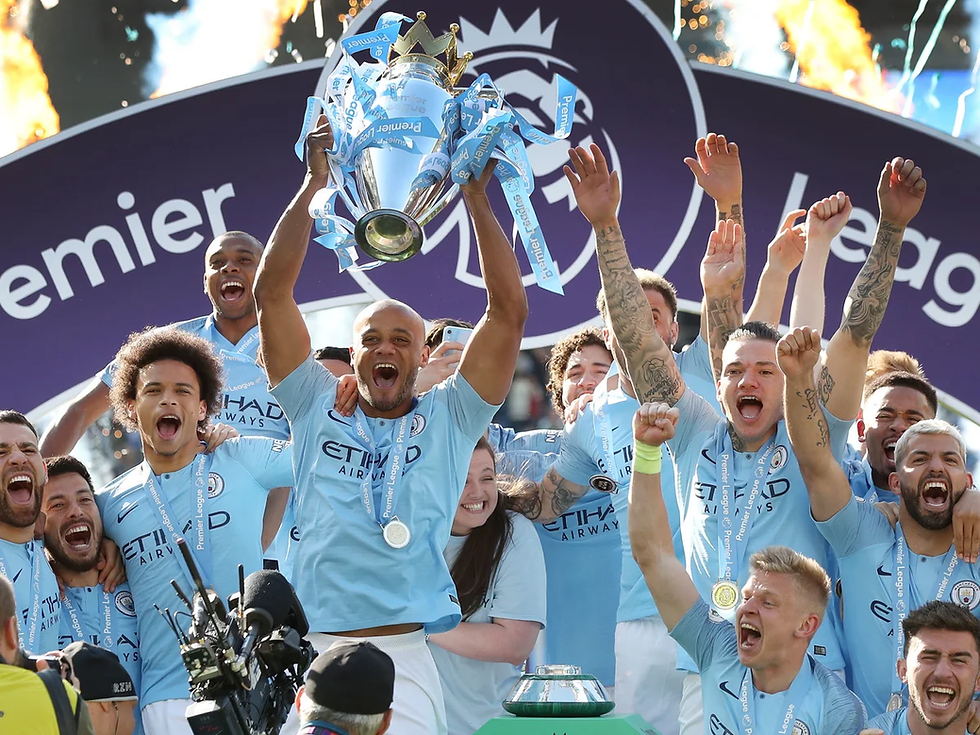
In his analysis for The Guardian, journalist Jonathan Wilson argues that the ongoing Manchester City financial case has exposed the difficulty of regulating organisations with enormous financial resources and access to elite legal teams. The prolonged proceedings illustrate how complex enforcement can become when disputes involve powerful clubs prepared to challenge decisions through legal channels.
The controversy also raises questions about the Premier League's priorities. Its global success has brought considerable commercial influence, but Wilson questions whether that success has been built on an ownership model that gives insufficient attention to where money comes from and what responsibilities owners have towards supporters.
From Local Businessmen to International Investors
English football has not always operated on today's global scale. Historically, clubs were often controlled by local businessmen associated with industries such as mining, manufacturing, transport and retail. Some invested because of a genuine attachment to their communities, while others viewed football as a business opportunity or a means of gaining local influence.
However, Wilson cautions against romanticising that period. The deteriorating condition of many English stadiums during the 1980s demonstrates that local ownership did not automatically guarantee responsible management or adequate investment.
The difference, he suggests, is that local owners were more directly exposed to the consequences of unpopular decisions. Raising ticket prices, selling a popular player or neglecting a club could lead to protests, public criticism and commercial repercussions in the owner's own community.
Today's international shareholders may be based thousands of kilometres away, in financial centres or luxury residences, making them less immediately affected by supporters' anger.
Recent events at Chelsea illustrate the instability that can accompany this globalised model. Roman Abramovich was forced to sell the club after becoming subject to UK government sanctions following Russia's invasion of Ukraine. Subsequently, another American co-owner faced pressure to sell his minority stake amid an investigation involving his insurance business in the United States, according to Wilson's account.
Football Clubs Are More Than Businesses
At the heart of the debate is a fundamental contradiction: football clubs operate as commercial enterprises, yet they also represent communities, family traditions and personal identities.
For many supporters, a club connects generations and provides a sense of belonging to a particular place. As traditional institutions have weakened, football's role in local identity has arguably become even more important.
Yet English and Welsh supporters have historically had limited direct ownership of their clubs. Wilson identifies this imbalance as one of the underlying problems in the current system.
Germany's 50+1 model offers a different approach. In broad terms, it limits outside investors' ability to obtain majority control, preserving a significant role for club members. Nevertheless, it is not a complete solution to football's competitive inequalities: Bayern Munich, for example, has won 13 of the previous 14 Bundesliga titles cited in the article.
The lesson is not necessarily that one ownership structure can resolve every problem. Rather, Wilson argues that football needs greater recognition of clubs' community responsibilities, instead of treating them simply as assets to be bought, sold and managed for financial returns.
Can Regulation Rein In the Mega-Rich?
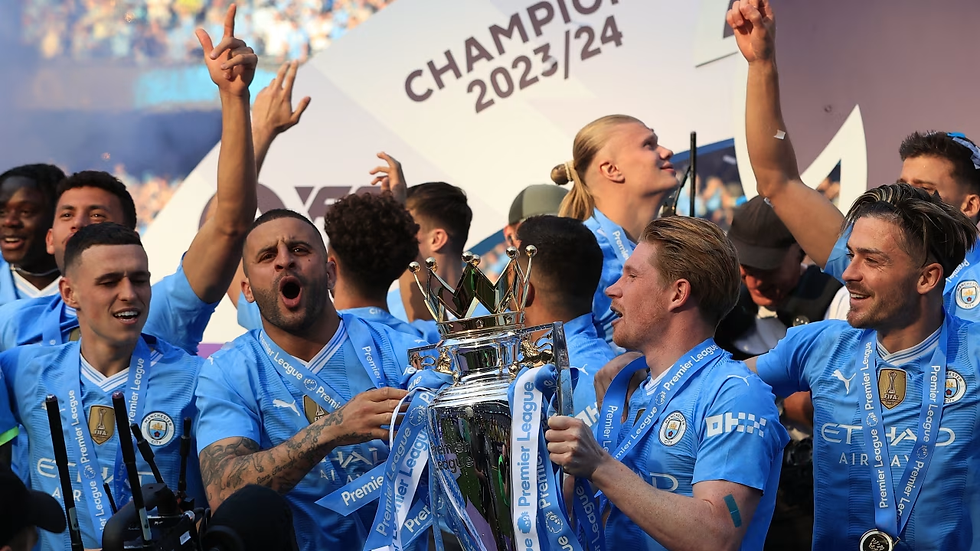
The Premier League's approach to ownership has historically prioritised attracting investment, with former chief executive Richard Scudamore describing himself as neutral towards different ownership models. Wilson sees that philosophy as central to the competition's current predicament: money was welcomed without sufficient attention to its origins or the consequences of its arrival.
Financial regulation can help establish boundaries. The league's profitability and sustainability rules, and the newer spending framework discussed in the article, represent attempts to constrain clubs' financial behaviour. But regulation alone cannot resolve every concern associated with ownership, particularly when enforcement faces complex legal challenges.
For Wilson, a more fundamental change would require football to recognise that clubs possess a social and cultural value that extends beyond their commercial balance sheets.
Why Change Remains Unlikely
Despite the concerns, Wilson sees little prospect of a dramatic transformation. The Premier League operates within a wider economic system that welcomes international capital, and the sport's global appeal continues to make its clubs attractive to wealthy investors.
He suggests that a major financial crisis might be needed to make football less appealing to big finance and create the conditions for rebuilding the game around a different set of priorities.
Without such a shock, the existing model is likely to endure. The central question is whether a competition can continue to expand its global influence while adequately protecting the interests of the communities that give its clubs their meaning.



Comments