


Michael Douglas Opens Up About His Romance With His Basic Instinct Co-Star
In his memoir One Helluva Ride, Michael Douglas writes that he fell for Jeanne Tripplehorn while they were filming Basic Instinct. Their relationship began during production, while Douglas was still married to his first wife, Diandra Luker. The story remained private for decades, even as audiences focused on Douglas’s on-screen chemistry with Sharon Stone. “The truth is, I fell very hard for Jeanne despite our nearly 20-year age difference,” he writes.
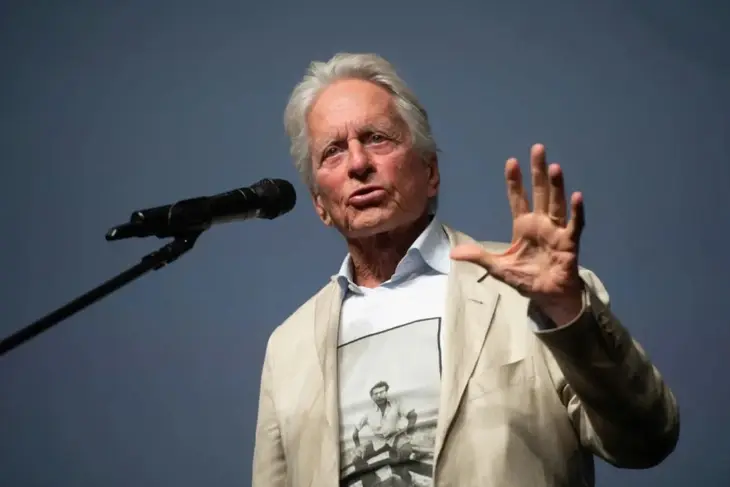
Douglas was 47 when Basic Instinct was made, while Tripplehorn was 28. She played Beth Garner, a police psychologist who becomes romantically involved with Douglas’s character, Nick Curran. Stone, as murder suspect Catherine Tramell, became the face most often associated with the film. But according to Douglas, it was Tripplehorn, not Stone, with whom he became involved off camera. He writes that Tripplehorn initially resisted getting involved with a married man. Douglas says he told her that he and Luker were separated in practice, even though their marriage had not legally ended.
In his memoir, Douglas describes his first marriage as having been troubled for years before he met Tripplehorn on the set. According to him, he and Luker had repeatedly separated and reconciled, spent much of their time living apart, and begun seeing other people. They were still trying to preserve the marriage for their family, but Douglas says they both understood that the relationship was approaching its end. This is Douglas’s account; Luker is not quoted confirming every detail. Even so, Douglas acknowledges that when he developed feelings for Tripplehorn, he was still legally married.
Douglas describes his feelings for his co-star as strong enough that he considered leaving his marriage and building a future with her. He eventually decided, however, that going straight from a 15-year marriage into another committed relationship would be the “worst thing” he could do. His relationship with Tripplehorn did not continue after the film was finished. Douglas reflects on the decision with a mixture of regret and self-awareness, presenting it as a choice shaped by more than the attraction between two actors.
The relationship was kept secret during filming. Douglas says that even their colleagues on the Basic Instinct set did not know the two were dating. Keeping it quiet did little to make their scenes together less awkward. He recalls Tripplehorn repeatedly laughing nervously while they filmed an intense intimate scene between Nick and Beth. In the movie, the scene depicts aggressive sex between the characters; in real life, Douglas says, they discussed and rehearsed it carefully beforehand.
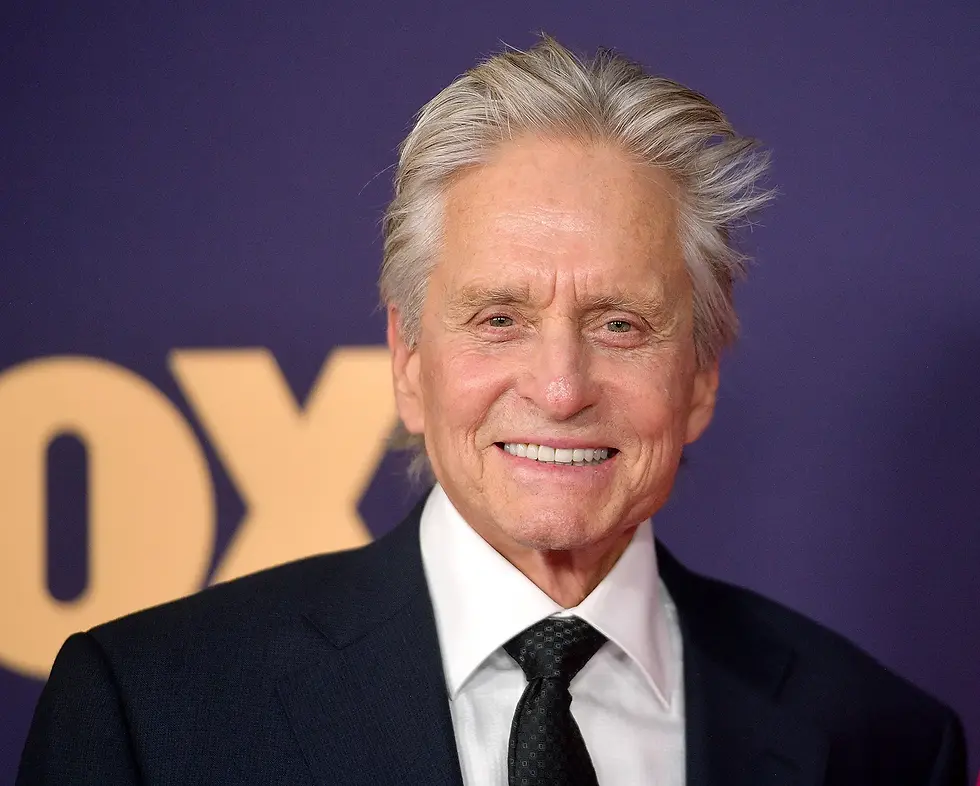
Douglas also remembers checking on Tripplehorn between takes, particularly during the moment when Nick bites Beth. He notes that intimacy coordinators were not yet a common presence on film sets. His account emphasizes that the actors agreed in advance on what would happen during the scene. Although this remains the recollection of one participant, it points to how the industry’s approach to intimate scenes has changed: from private arrangements between actors and directors to clearer procedures with a designated professional helping artists establish and protect their boundaries.
The relationship ended after the film wrapped, but Douglas continues to speak warmly of Tripplehorn. “I will always think of her as an amazing actress and a truly terrific woman that I was very fortunate to spend time with,” he writes. The two had little contact in the decades that followed. Before including their relationship in his memoir, Douglas says he contacted Tripplehorn to ask whether she was comfortable with him discussing it publicly. According to him, she agreed. The story does not include a separate statement from Tripplehorn about the relationship as a whole.
The revelation about Tripplehorn appears in the same memoir as another romance Douglas says he kept private for years: his relationship with Kathleen Turner while they were filming Romancing the Stone in 1984. Douglas writes that he and Turner “fell hard for each other” while shooting in Mexico. At the time, he was still married to Luker, while Turner was dating Jay Weiss, whom she later married. For decades, the co-stars acknowledged a powerful mutual attraction but denied that it had become an affair. Douglas now says they agreed to that version of events to protect their families.
According to Douglas’s recollection, his relationship with Turner ended after Luker came to the set with Cameron, his then four-year-old son. Douglas and Turner continued to have a close professional relationship. They reunited for the 1985 sequel The Jewel of the Nile and starred together again in the 1989 black comedy The War of the Roses. Turner responded calmly when the romance became public after more than four decades: “Good heavens, what a fuss about something 40 years ago!” She also said: “I love Michael and I look forward to enjoying the book.”
These revelations have prompted audiences to revisit films associated with Douglas’s memorable on-screen partnerships. Romancing the Stone made Douglas and Turner a beloved adventure duo, while Basic Instinct became one of the most controversial thrillers of the early 1990s. Still, the actors’ private lives should be distinguished from the films’ fictional stories. On-screen romance is not evidence of an off-screen relationship; in this case, the information about the affairs comes from Douglas’s memoir, which he says he published after seeking permission from the people involved.

One Helluva Ride also explores other aspects of Douglas’s life, from growing up with his famous father, Kirk Douglas, to trying to make his own mark in Hollywood. He has spoken about the weight of being the son of a movie star while reflecting on wounds and conflicts within his family. The memoir recounts a childhood shaped by violence and divorce, his efforts to build an independent career, his first marriage, and the mistakes he says he needed to confront. Douglas has said the book helped him revisit memories he had once avoided and consider how family shapes a legacy across generations.
Douglas built his career through more than acting. In 1975, he produced One Flew Over the Cuckoo’s Nest, a project for which he had secured the film rights to Ken Kesey’s novel. The movie won five Academy Awards, including Best Picture, helping Douglas establish himself behind the camera as well as in front of it. Years later, his performance as Gordon Gekko in Wall Street (1987) earned him the Academy Award for Best Actor and became one of the most iconic roles of his career. The film’s line “Greed is good” is often remembered as a symbol of 1980s materialism, though it is a character’s line, not a personal declaration by Douglas.
From Fatal Attraction to The Game, Douglas often played powerful but flawed men, drawn into crises by ambition, desire, or poor decisions. His role as Nick Curran in Basic Instinct continued that pattern: a detective investigating a murder who becomes entangled in a dangerous relationship with Catherine Tramell. The film drew controversy for its depictions of sex, violence, and queer characters. Years later, Sharon Stone also recounted disagreements during the filming of its famous nude scene. Douglas was not the only person responsible for shaping the film, but his performance became closely associated with a period in Hollywood when provocative and controversial subject matter was in demand.
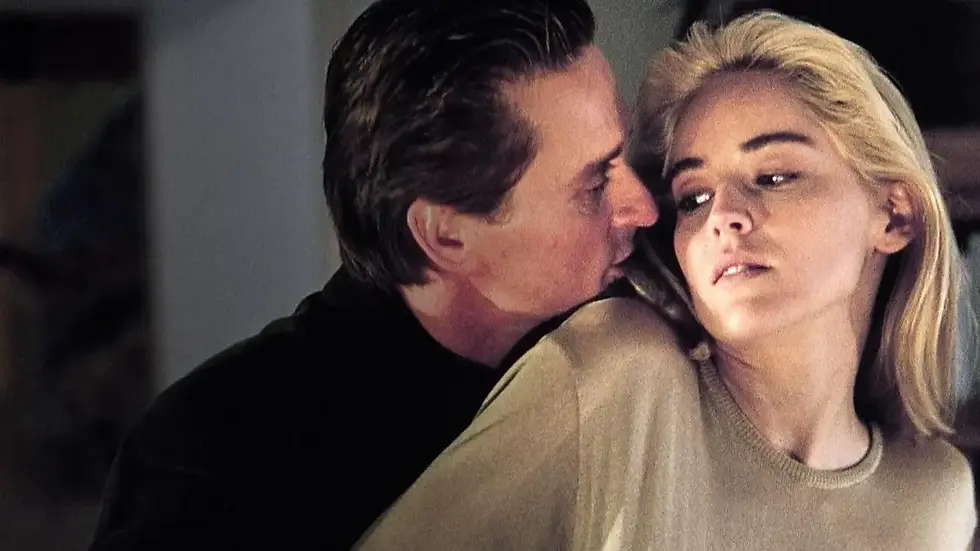
In his personal life, Douglas married Diandra Luker in 1977. They had a son, Cameron, before separating in 1995 and finalizing their divorce in 2000. That same year, Douglas married actor Catherine Zeta-Jones, whom he had met at a film festival. They have a son, Dylan, and a daughter, Carys. Their marriage has drawn attention not only because both are stars, but also because they have a 25-year age difference. In 2013, they spent some time living apart to reassess their relationship, but did not divorce. They later reconciled and continued to appear together.
Douglas’s married life has also attracted attention because of revelations in his new memoir. He writes that when he began dating Zeta-Jones, he was seeing five other women in different cities. According to Douglas, when Zeta-Jones asked for a monogamous relationship, he called the other women to end those relationships. This is his account of the period before their marriage, not an allegation that he has been unfaithful during his current marriage. Douglas says he now cherishes his life with Zeta-Jones, while acknowledging that the two have faced difficult periods.
Douglas has faced persistent rumors that he suffered from sex addiction, a story the media has revisited over the years. He has denied having undergone treatment for sex addiction. He did acknowledge, however, that his memoir discusses several relationships and choices that complicated his personal life. It is important to distinguish rumors about a diagnosis or treatment from what Douglas himself has confirmed: he says the sex addiction story is false, but does not deny the affairs he recounts in the book. Those stories also raise questions about how celebrities tell their own histories and how the public receives those accounts.
In 2010, Douglas was diagnosed with stage IV cancer at the base of his tongue and underwent chemotherapy and radiation. He spoke publicly about his treatment, including periods when he struggled to eat and felt physically depleted. His recovery became an important part of his life story and affected his marriage to Zeta-Jones. The family also faced difficulties when Cameron, his son with Luker, was convicted on drug charges and spent years in prison. Douglas later spoke about how both he and his son had struggled with substance abuse. He describes these events as painful chapters in his life, not simply side notes in the story of a famous family.
At 82, Douglas has used One Helluva Ride to revisit his achievements, mistakes, and relationships that had remained private. His story about Tripplehorn adds another perspective on Basic Instinct, but it is still Douglas’s account, shared decades after the events. He says he sought Tripplehorn’s permission before writing about her; Turner has publicly responded to his revelation with good humor. Those reactions do not erase the complexity of the marriages and relationships involved, but they show Douglas trying to tell his life story more directly. For an actor who has spent decades in public view, the memoir serves both as a career retrospective and as a belated reckoning with what happened off camera.

Comments