


Megyn Kelly Criticizes Olivia Rodrigo Amid Controversy Over the Cornell Lawsuit
Olivia Rodrigo publicly supported a former Cornell student identified in court documents as Jane Doe, who alleges that she was sexually assaulted by multiple members of the Chi Phi fraternity in 2024. The singer’s post on Instagram quickly drew her into a widening debate over how the university and law enforcement handled the case. Megyn Kelly, a former Fox News and NBC host, responded with a sharp attack on her radio and podcast show, turning the dispute into a public clash between two well-known figures.

According to reports about her October 4 post, Rodrigo wrote that she stood with Jane Doe and condemned institutions that had failed to protect women from alleged abuse. She called on Cornell and other universities to provide answers, take responsibility, and bring about lasting change. Her statement expressed support for the accuser, but it was not a finding about anyone’s criminal liability. The case remains under investigation, and the allegations have not been proven in court. The Associated Press reported on the wave of posts expressing solidarity with Jane Doe.
On her October 5 program, Kelly directly targeted Rodrigo for speaking out about a case that Kelly said the singer did not know enough about. According to excerpts reported by news outlets, Kelly said: “Olivia, in sum, you don’t know what the f-ck you’re talking about. Shut up and stick to singing.” She went on to criticize Rodrigo’s music, adding: “I liked you better when you were in front of a microphone singing your weird little depressing songs.” The attack quickly spread online, while Jane Doe’s lawyer also spoke out against the way Kelly discussed the woman at the center of the lawsuit. The Daily Beast reported on Jane Doe’s lawyer’s response and Kelly’s remarks.
Behind the public exchange is a complex legal case. Jane Doe’s civil lawsuit alleges that she was pressured to drink alcohol and take drugs before being assaulted by multiple people at a Chi Phi house in October 2024. She has sued seven former students, Cornell, the fraternity, and other parties. These claims appear in the lawsuit; they are not findings established by a court. The accused men deny wrongdoing, and the civil allegations must be considered through the legal process. The AP summarized the allegations and the background to New York’s investigation.

The lawsuit recently brought the case back into the spotlight after the initial investigation ended without criminal charges. On October 1, New York Gov. Kathy Hochul appointed the office of state Attorney General Letitia James as special prosecutor, tasking it with reviewing the investigation. Hochul said newly released information raised serious questions about Cornell police’s investigation and the Tompkins County prosecutor’s earlier decision not to bring charges. Reopening the investigation does not mean that those named in the case have been found guilty; it means authorities are taking another look at how the case was handled. The AP reported on the appointment of the special prosecutor.
Cornell has also faced mounting pressure from students and the public. University President Michael Kotlikoff called what allegedly happened to Jane Doe “a very disturbing event” and said it would burden the campus community for years. The university’s board of trustees hired an outside law firm to conduct an independent investigation. On October 6, the university announced that former Justice Department official Sally Yates would also review its handling of sexual misconduct complaints. These reviews focus on the university’s procedures and response; they do not replace the criminal investigation into individual responsibility. The AP reported on Cornell’s independent review.
Kelly’s criticism went beyond challenging a pop star’s decision to speak while the lawsuit was still unfolding. She also questioned the seriousness of the alleged conduct and the punishment the accused could face if convicted. In a statement quoted in the original article, Kelly said Jane Doe had fallen “into the clutches of men who are immoral or at least were behaving immorally that night,” while also asking whether the alleged conduct should lead to prison sentences of more than 20 years. Those remarks suggest that she expressed sympathy for the accuser while separating the question of moral conduct from the questions of legal responsibility and punishment.
That combination became a focus of criticism. Some commentators argued that Kelly used harsh language about the accuser even though she herself has spoken publicly about experiencing sexual harassment in the workplace. A comparison often raised is the timing and manner in which someone decides to report an incident: a delay in coming forward does not, by itself, prove that a claim is false. Personal experiences, however, cannot establish what happened in a separate case. Assessing responsibility in the Cornell case requires evidence and a proper investigation, rather than inferences drawn from Kelly’s story or Rodrigo’s response.
In her 2016 memoir, Settle for More, Kelly said that Roger Ailes, then Fox News chairman and her boss, tried to kiss her three times and made unwanted sexual advances. She said she rebuffed him, later reported the incidents to a supervisor, and continued working at Fox. Kelly described going public with the allegations against Ailes as a decision that could put her career at risk. According to her account, they went on to have “nine years of a healthy working relationship.” These details come from Kelly’s memoir and public statements; Ailes denied the harassment allegations. CBS News interviewed Kelly about her memoir and allegations involving Ailes.
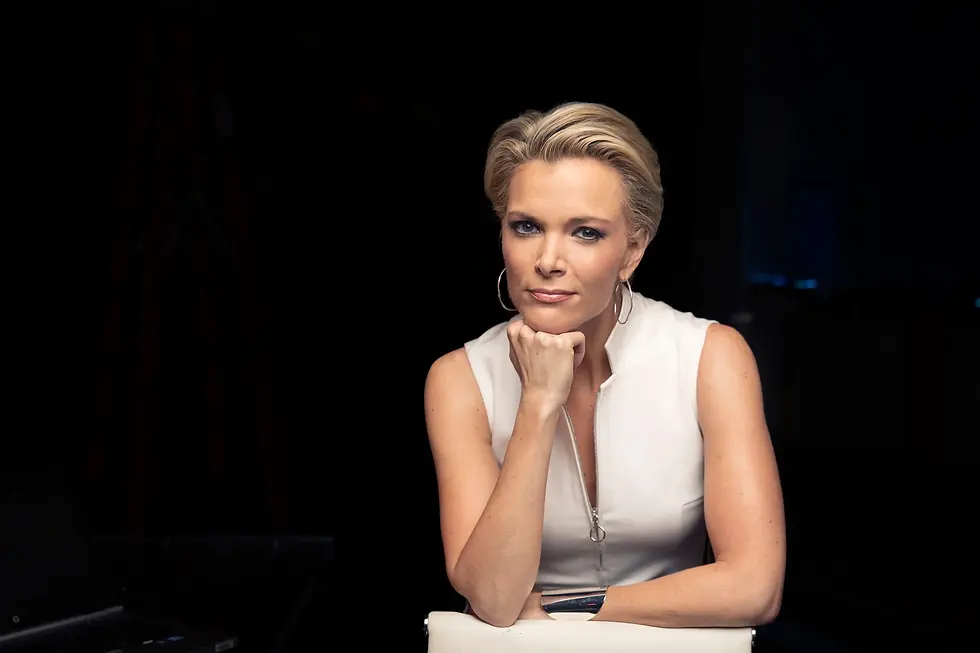
Kelly’s account was also connected to a broader crisis at Fox News. In 2016, Gretchen Carlson sued Ailes, alleging sexual harassment and retaliation after she rejected him. After other women made allegations, Ailes left Fox News. Kelly was among those who spoke publicly about having had an unwanted experience with him. Her continuing to work at the network for years afterward does not disprove her account. At the same time, her account does not automatically determine how the public should interpret every detail of the Cornell case. That is why reactions to Kelly’s latest comments often turn on whether she balances legal caution with empathy for people who report sexual assault.
Kelly entered journalism after working as a lawyer. She studied law at Albany Law School and spent about nine years as a corporate litigator before moving into television news. She joined Fox News in 2004 and went on to host programs including America Live and The Kelly File. Her legal background and direct interviewing style helped make her one of the network’s best-known figures. They also meant that her commentary on lawsuits and legal disputes often attracted particular attention. NBC News introduced Kelly’s move from law to television.

One of the moments that brought Kelly beyond the usual audience for cable news was the 2015 Republican primary debate. She questioned Donald Trump about his remarks concerning women, setting off a feud that lasted for months. Trump criticized Kelly on social media and in interviews. In 2016, she interviewed him as the two tried to put their dispute behind them on camera. The confrontation made her better known beyond Fox’s regular audience, while also showing how a journalist’s professional questions can become a political story in their own right. The Irish Times covered their 2016 interview after months of conflict.
In 2017, Kelly left Fox for NBC News. She hosted a Sunday evening news program and later the morning show Megyn Kelly Today. The move from a network focused heavily on political news to daytime television put her before a broader audience and called for a different hosting style. The program did not last long. In October 2018, Kelly faced criticism after questioning why wearing blackface as a Halloween costume was considered inappropriate. Her remarks drew widespread condemnation. The next day, she apologized on air, saying she had come to understand that the history of blackface was tied to racist representations. NBC ended the program and parted ways with her. NBC News published Kelly’s on-air apology.
The blackface controversy remains one of the most notable disputes of Kelly’s career. The criticism centered not only on a question raised during a panel discussion, but also on a national television host appearing to minimize the history and impact of blackface. Kelly apologized, but the incident led to the end of her show and continued to shape public perceptions of her remarks. Supporters have emphasized her right to express an opinion and her ability to acknowledge a mistake; critics have viewed the episode as an example of how on-air comments can cause harm when made without sufficient care.
After leaving NBC, Kelly rebuilt her career on her own platform. In 2021, she launched The Megyn Kelly Show, a radio program and podcast covering news, politics, and culture. She currently broadcasts the show on SiriusXM and releases episodes on digital platforms. This model gives Kelly more control over her topics and presentation than a major television program did, while bringing her back to political and cultural commentary. Her comments about Rodrigo and Cornell therefore came on a show where she regularly expresses direct opinions, rather than on a news broadcast devoted solely to reporting developments. SiriusXM features Kelly’s show.
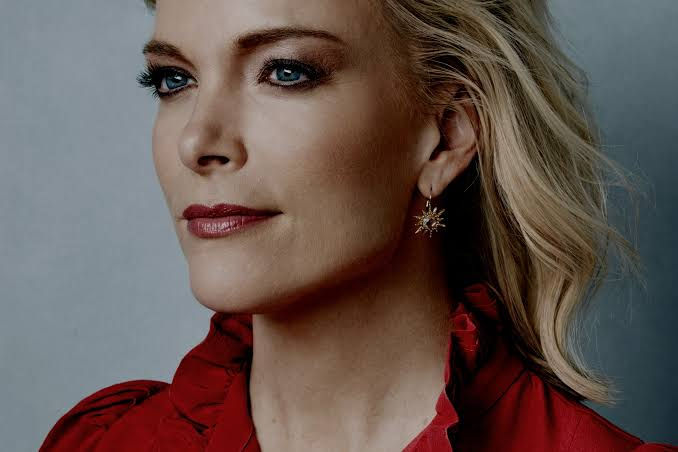
Kelly’s private life rarely features in disputes over her work, though she has occasionally discussed her family in interviews and in her memoir. She married anesthesiologist Daniel Kendall in 2001; they divorced in 2006. In 2008, Kelly married Douglas Brunt, an author and former technology executive. They have three children. Brunt later turned to writing books, while Kelly continued working in television and audio media. Public biographies record the major milestones in her family life, but Kelly and Brunt generally keep their children out of the media spotlight. Biography.com summarizes Kelly’s family and career.
Controversies surrounding Kelly have often stemmed from how she expresses her views as much as from the subjects she chooses to address. At Fox, she became known for tough interviews while also prompting disagreement over her comments on race, feminism, and politics. At NBC, the blackface remarks marked a clear clash between her style of debate and the expectations of a morning show aimed at a broad audience. Now, with her own program, she has more room to make provocative comments, but still faces public criticism and scrutiny from those affected by the topics she discusses.
In Rodrigo’s case, the question is not simply whether a singer should comment on a lawsuit that is still being considered. Her post supported an accuser and called for institutions to be held accountable, while Kelly objected to taking a public position before all the facts had been verified. The two positions touch on a familiar tension: how to speak out about allegations of sexual assault while maintaining the principle that legal responsibility must be established through evidence. Kelly’s decision to attack Rodrigo personally shifted the debate from that question to the tone of her remarks.
The Cornell case is still unfolding, with a new state criminal investigation and an independent review commissioned by the university. Until authorities reach conclusions, the claims in the lawsuit should be described as allegations, and the people named in it should not be treated as having been found guilty. Kelly’s comments are also being examined in light of the account she previously gave about Ailes, but that comparison cannot replace evaluating each case on its own evidence. Meanwhile, her clash with Rodrigo shows how commentary on a legal case can quickly become a separate story about celebrities, the right to speak out, and the responsibilities that come with addressing the public.


Comments