


Crypto Fear and Greed Index Falls to 69 What It Means for Crypto Markets
The Crypto Fear & Greed Index dropping to 69 is not a panic signal. It is still firmly in “greed” territory. But the move matters because crypto markets often change direction long before price makes the message obvious.
A reading of 69 suggests the market has stepped back from intense enthusiasm. Traders are still optimistic, but the mood is less one-sided. That shift can mean two very different things. The market may be cooling after a strong run, or it may be pausing before a larger move.
The difference matters. In crypto, sentiment can flip quickly. A slightly less greedy market can reduce the risk of a sharp flush. It can also show that momentum is fading. For investors, the key question is not whether 69 is “good” or “bad”. The better question is what changed, and whether price, volume, liquidity, and news flow support the same message.
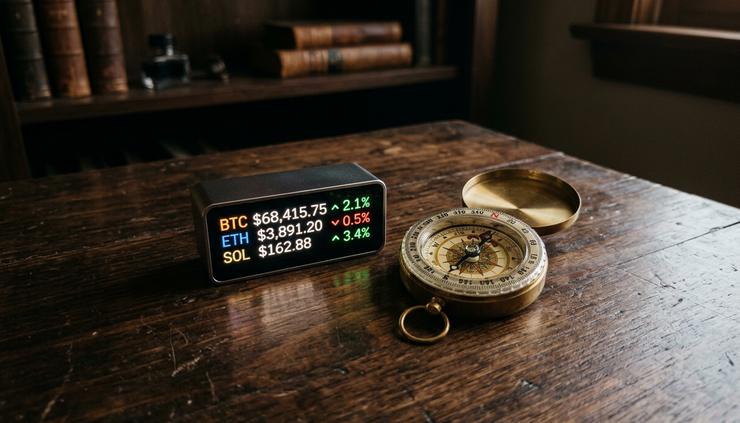
The index is still greedy, but less euphoric
The Crypto Fear & Greed Index is a sentiment gauge that runs from 0 to 100. Low readings signal fear. High readings signal greed. A score of 69 usually sits in the “greed” zone, below “extreme greed” but well above neutral.
That distinction is crucial. A fall to 69 does not mean investors have become bearish. It means the market has become less aggressively bullish.
Sentiment indices like this try to capture the emotional tone of the market using inputs such as volatility, momentum, market volume, social interest, dominance, and search trends. The exact mix can vary by provider, but the aim is the same: turn market psychology into a single number.
A reading of 69 points to a market where:
buyers still show confidence
risk appetite remains high
traders are less euphoric than they were at higher readings
some participants may be taking profits
late buyers may be more cautious
That last point is often the most useful. Crypto rallies can feed on attention. When prices rise, more traders notice. When more traders notice, demand often increases. Greed readings tend to climb during that cycle.
A decline from higher levels can show that the easy excitement phase has cooled. It does not guarantee a top. It does suggest that the market is no longer racing forward on pure optimism.
A greed reading near 70 is best read as “confident, but no longer carefree”.
What the decline says about market sentiment
Sentiment has texture. A market can be bullish and nervous at the same time. That is what a drop to 69 often reflects.
Investors may still believe in the broader uptrend, but they are less willing to chase every green candle. Short-term traders may be locking in gains. Long-term holders may be holding steady, while newer entrants hesitate. That mix creates a more balanced market.
Several forces can push the index lower without causing a full sentiment collapse.
Profit-taking after a strong rally
When crypto assets rise quickly, some investors sell into strength. This can cool momentum even if the broader trend remains healthy. A lower sentiment reading may simply reflect that buyers are becoming more selective.
Rising concern over stretched prices
Greed can weaken when traders start asking whether prices have moved too far, too fast. This does not mean the market is overvalued in a lasting sense. It means the short-term risk-reward picture may look less attractive.
Macro uncertainty
Crypto does not trade in a vacuum. Interest rate expectations, the US dollar, bond yields, inflation data, and liquidity conditions can all affect risk assets. If traders sense tighter financial conditions, sentiment can soften even while prices remain elevated.
A shift from emotion to confirmation
In strong markets, investors often buy first and ask questions later. When sentiment cools, they may wait for confirmation from price levels, exchange flows, funding rates, or news catalysts.
This is why 69 is an interesting reading. It signals caution, but not fear. The crowd is no longer at maximum excitement, yet appetite for risk has not disappeared.

Experts often see sentiment drops as a risk reset
Market analysts tend to treat sentiment indicators as context, not as stand-alone signals. A drop in greed can be healthy if it clears out excess optimism. It can be worrying if it comes with weakening price structure and falling demand.
Behavioural finance offers a useful frame here. Researchers such as Daniel Kahneman and Amos Tversky helped show that people do not make financial decisions in a purely rational way. Fear, overconfidence, loss aversion, and herd behaviour all shape decisions. Crypto compresses those emotions into shorter timeframes.
That is why sentiment tools attract attention. They do not predict the future, but they can reveal when the crowd is leaning too far in one direction.
Many market technicians view a moderate fall from extreme greed as a possible reset. If prices hold key support levels while sentiment cools, the market may be building a stronger base. In that case, the drop in the index can help reduce froth.
By contrast, macro-focused analysts often want to see whether sentiment is falling alongside broader risk appetite. If equities, crypto, and other speculative assets all weaken at the same time, the drop may signal something larger than routine profit-taking.
On-chain analysts may look at a different set of clues. They often compare sentiment with exchange inflows, long-term holder behaviour, stablecoin liquidity, and realised profit data. If coins are moving to exchanges while sentiment falls, selling pressure may be rising. If long-term holders remain steady, the move may look more like normal market digestion.
The useful expert consensus is not “buy” or “sell”. It is more practical:
Sentiment is most powerful when it confirms other evidence.
A reading of 69 alone does not settle the debate. A reading of 69 alongside slowing momentum, heavy exchange inflows, stretched funding, and weak support would carry a different message from a reading of 69 alongside stable volume, strong spot demand, and orderly consolidation.
History shows greed can last longer than expected
Crypto markets have a long history of staying greedy for extended periods. During major bull runs, sentiment can remain elevated while prices keep climbing. Traders who sell only because an index looks “too high” can miss large parts of a trend.
At the same time, extreme optimism has often appeared near overheated phases. When almost everyone expects prices to rise, the market becomes fragile. A small negative catalyst can trigger sharp moves because too many traders are positioned the same way.
Past cycles show a few recurring patterns.
Sentiment backdrop | Common market behaviour | What investors often watch |
Fear or extreme fear | Forced selling, weak confidence, value hunting | Capitulation signs and improving volume |
Neutral sentiment | Mixed positioning and uncertainty | Breakouts, support tests, changing news flow |
Greed | Strong appetite for risk and rising participation | Momentum quality and profit-taking |
Extreme greed | Crowded optimism and high expectations | Funding, volatility, and reversal risk |
The current reading of 69 sits in the third category. It is constructive but not relaxed. The market still has fuel, but it also carries risk from bullish crowding.
Historical context also shows that sentiment declines do not all lead to downturns. Sometimes they mark mid-cycle pauses. A market rallies, sentiment overheats, prices consolidate, traders become less excited, and then the next move begins.
Other times, the sentiment drop is the first crack. Momentum fades, buyers become less aggressive, news flow turns mixed, and a correction follows.
The hard part is that both paths can look similar at first. That is why investors should avoid treating the index as a timing tool. It works better as a warning light on the dashboard.

Is the market cooling off or preparing for a bigger move?
The answer may be both. Markets often cool before they move. A sentiment dip can reduce pressure, shake out late buyers, and give stronger hands a chance to take control.
The sharper question is whether the cooling is constructive or defensive.
Constructive cooling usually looks orderly. Prices pull back or move sideways, but buyers defend major levels. Volume does not collapse. Major assets avoid severe breakdowns. Speculative corners of the market cool without causing broad stress.
Defensive cooling looks different. Price bounces get weaker. Rallies are sold quickly. Liquidity thins out. Positive news has less effect. Traders reduce risk rather than rotate within the market.
Here are signals that may help separate the two.
Price structure
If leading crypto assets hold above recent breakout zones or major moving averages, the market may simply be consolidating. If those levels fail with force, the sentiment drop becomes more concerning.
Volume quality
Rising volume on down days can point to stronger selling pressure. Steady or improving volume during rebounds can suggest buyers remain active.
Derivatives positioning
High funding rates and crowded long positions can make the market vulnerable to liquidations. If funding cools while price remains stable, that can be healthy.
Bitcoin dominance
When Bitcoin holds firm while smaller tokens weaken, traders may be reducing risk within crypto rather than leaving the market fully. If Bitcoin weakens at the same time as altcoins, risk appetite may be falling more broadly.
Stablecoin liquidity
Fresh liquidity can support rallies. If stablecoin supply and exchange buying power remain healthy, the market may have room to extend. If liquidity dries up, rallies can become harder to sustain.
A reading of 69 does not answer these questions. It tells investors where to look next.
What this means for investors
For investors, the fall to 69 calls for discipline rather than fear. The market remains optimistic, but the easy emotional tailwind may be fading.
This is the moment to review exposure, not to react blindly.
Short-term traders may choose to tighten risk controls. That could mean smaller position sizes, clearer stop levels, or less willingness to chase breakouts that lack volume. In greed territory, failed breakouts can punish late entries quickly.
Long-term investors may read the move differently. If the broader thesis remains intact, a cooling sentiment index can be welcome. It may reduce excess speculation and create better entry points. Still, averaging into positions requires patience. Buying every dip during a high-greed market can increase risk if a deeper correction arrives.
Newer investors should be especially careful with emotional decisions. Greed readings often rise when stories feel most convincing. Prices may have already moved by the time confidence becomes widespread. A drop to 69 is a reminder that sentiment can turn before the crowd has agreed on why.
A practical response might include:
reviewing whether position sizes still match risk tolerance
checking whether recent gains have made the portfolio too concentrated
avoiding borrowed money or overexposure to volatile tokens
separating long-term holdings from short-term trades
planning entries before volatility spikes, not during it
This content is for general information only and should not be taken as financial advice. Crypto assets are volatile, and individual decisions should reflect personal circumstances, time horizon, and risk capacity.

The next move may depend on whether greed becomes patience
The drop in the Crypto Fear & Greed Index to 69 sends a clear message. The market is still bullish, but the mood has cooled. That can be healthy if it removes excess excitement. It can be risky if it marks the start of fading momentum.
The most balanced reading is this: crypto is not showing fear, but it is no longer showing unchecked enthusiasm. That creates a more fragile, more interesting phase.
If prices hold firm while sentiment eases, the market may be preparing for another leg higher. If sentiment keeps falling and price support breaks, the decline may signal a broader reset.
The best investors will not treat 69 as a magic number. They will treat it as a prompt to look closer. Sentiment is a useful signal, but it works best beside price action, liquidity, positioning, and macro conditions.
Crypto markets often move when confidence and doubt are finely balanced. A reading of 69 puts the market close to that line. The next major clue will come from how buyers behave now that greed has cooled.


Comments